
Top 10 E-commerce Marketplaces in the UAE (2026)
Blogs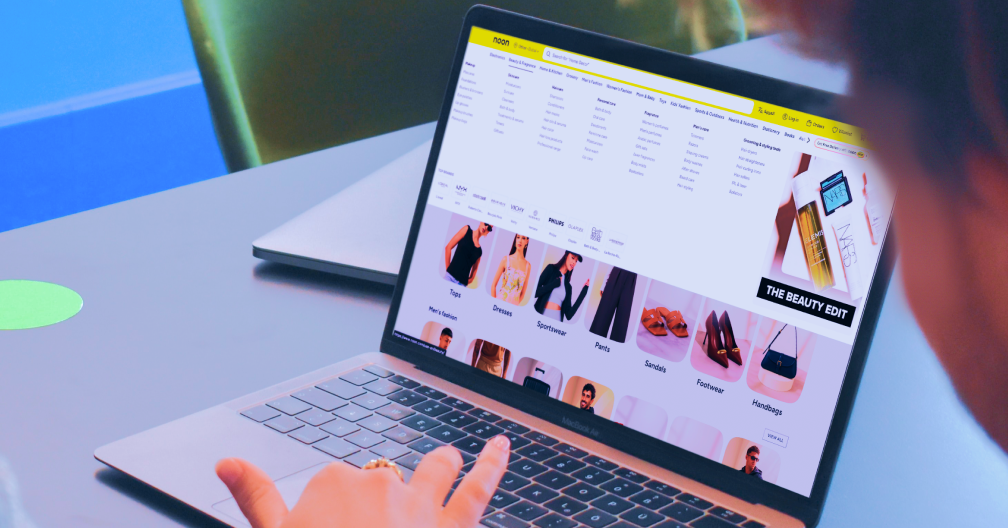
Key takeaways
- UAE e-commerce reached US$ 11.5 billion in 2025 and is forecast to reach US$ 18.3 billion by 2030 [1].
- Amazon.ae is the most-visited marketplace in the UAE and noon is the largest homegrown rival.
- The right marketplace depends on your product, your target buyer, and how each platform handles fulfilment.
- UAE-resident sellers need a trade licence and must register for VAT above AED 375,000 (about US$ 102,000) [3].
- As you add marketplaces, connected inventory and order management keep fulfilment accurate across channels.
When choosing the top e-commerce marketplace in the UAE, the platform decides who sees your products and how you fulfil every order. noon sells to shoppers across the UAE, Saudi Arabia and Egypt from one platform. Ounass reaches the country’s luxury buyers.
Amazon.ae and noon offer broad reach across categories, while platforms like Namshi, Ounass, and Tradeling focus on specific niches or buyer types. This guide compares the leading UAE marketplaces, the market conditions shaping them, and the operational factors worth weighing before you expand.
1. UAE E-commerce Market at a Glance
E-commerce in the UAE reached US$ 11.5 billion (AED 42.2 billion) in 2025 and is forecast to reach US$ 18.3 billion by 2030, according to the sixth edition of EZDubai’s annual e-commerce report, produced with Euromonitor International [1]. E-commerce made up about 15.7% of UAE retail sales in 2025. Apparel and footwear was the largest category, followed by consumer electronics and home care.
Three drivers of the UAE’s e-commerce market growth
Government policy, changing payment habits and logistics investment are the three forces behind the market’s growth. Each one makes online selling easier to start and online buying easier to complete.
- Government policy actively promotes digital trade, with the UAE’s Digital Economy Strategy aiming to double the digital economy’s GDP share to 19.4% by 2031 [4].
- Online purchasing through digital wallets rose from 50% in 2023 to 53% in 2024, according to Euromonitor’s Digital Consumer Survey, 2024. But credit cards or debit cards remain the top choice for online shopping payments. [2]
- Logistics is the third driver, with EZDubai’s latest report tying the next phase of growth to digital payments and continued investment in logistics infrastructure [1].
See Anchanto’s overview of the Middle East e-commerce industry for a wider regional context.
2. Top 10 E-commerce Marketplaces in the UAE
The top e-commerce companies in Dubai and across the UAE have the option to sell on general marketplaces with broad reach and specialist/ vertical marketplaces, which focus on one category or buyer. This section groups ten of the platforms behind the best online shopping in the UAE and explores what they sell and who they sell to.
We chose these ten for category leadership, not traffic alone. Amazon.ae and noon lead the general marketplaces in Similarweb’s UAE marketplace ranking [5], and the rest lead fashion, luxury, electronics, grocery, quick commerce, mother-and-baby and B2B.
a. Amazon.ae
Amazon.ae ranks first among UAE marketplace sites in Similarweb’s Ecommerce & Shopping marketplace category [5], giving brands and businesses access to one of the country’s most established general audiences. The marketplace offers Fulfilment by Amazon (FBA), Easy Ship, or Self-Ship as fulfilment options, which can be selected based on storage and delivery needs. That mix of broad category reach and flexible fulfilment makes it a common starting point if you plan to scale without committing to one logistics model.
Want to run Amazon.ae alongside other channels? Connect it through Anchanto’s Integration with Amazon.
b. noon
noon‘s edge is regional reach. It sells to shoppers in the UAE, Saudi Arabia, and Egypt, so your brand can reach three of the region’s largest markets on one platform [6]. Founded in 2017 and backed by Mohamed Alabbar, it grew as the homegrown answer to Amazon. Storage and delivery can go to Fulfilled by noon (FBN), or ship through Fulfilled by Partner (FBP).
c. Namshi
Namshi focuses on mainstream fashion, with clothing and footwear brands aimed at younger shoppers. Now part of the noon group, it offers apparel labels depth in styling, sizing, and trend context that a general marketplace cannot replicate.
d. Ounass
Ounass occupies the luxury end of the market, operated by the Al Tayer Group and stocking designer fashion, beauty, and accessories with express Dubai delivery and premium packaging. That curation is the point: it lets high-end brands sell online without the discount signals of a mass marketplace.
e. Sharaf DG
Sharaf DG brings established electronics-retail credibility to its marketplace, built on a store network recognised for after-sales support in electronics and appliances. That reputation reassures buyers making higher-consideration purchases. For electronics and appliance brands, it is a category-credible alternative to the general marketplaces.
f. Carrefour UAE
Carrefour UAE, operated by Majid Al Futtaim, pairs a large physical grocery footprint with online ordering and home delivery. That store-and-online model gives grocery, household, and fast-moving consumer goods brands fulfilment reach tied to a name shoppers already use for weekly essentials.
g. LuLu
LuLu extends one of the region’s largest homegrown hypermarket networks into e-commerce through its webstore and app, spanning groceries, electronics, and general merchandise. Its store base and loyal local customers make it a separate grocery-and-general channel from Carrefour, not a duplicate.
h. talabat
Speed defines talabat. It delivers groceries, pharmacy items, and everyday essentials on demand through a rider network and partner stores, and it has run InstaShop as an independent brand within its grocery and retail vertical since acquiring it in 2025 [7]. For convenience and fast-moving categories, it is the channel for orders that cannot wait until tomorrow.
i. Mumzworld
Mumzworld built its position by going deep on one audience: mothers and parents. This platform curates baby essentials, feeding and hygiene products, toys, and maternity and children’s wear into an age-specific catalogue that reaches high-intent buyers a general store cannot target precisely.
j. Tradeling
Tradeling is the market’s business-to-business channel, built for corporate procurement rather than consumer retail. Based in Dubai and tied to the Dubai Integrated Economic Zones, it connects suppliers with business buyers across food and beverage, electronics, and industrial categories. For manufacturers, distributors, and wholesalers, it opens a route that consumer marketplaces do not serve.
The table below compares these platforms at a glance. The top e-commerce marketplace in the UAE for your brand is usually the one that matches two columns: your category and the fulfilment model you can support.
| Marketplace Amazon.ae noon Namshi Ounass Sharaf DG Carrefour UAE LuLu talabat (incl. InstaShop) Mumzworld Tradeling | Category General General Fashion Luxury fashion Electronics Grocery and general Grocery and general Quick commerce Specialist B2B / wholesale | Owner / origin Amazon (ex-Souq), US UAE-founded (2017) noon-owned, UAE Al Tayer Group, UAE UAE retailer Majid Al Futtaim, UAE LuLu Group, UAE Delivery Hero, UAE UAE-founded Dubai-based (DIEZ) | Best for Broad catalogue, electronics UAE, KSA and Egypt reach Mainstream fashion, footwear Designer and luxury Electronics, appliances Big-box groceries, everyday goods Homegrown hypermarket range On-demand grocery and essentials Baby, kids, maternity Bulk, business procurement | Fulfilment model FBA, Easy Ship, Self-Ship FBN, FBP Platform-fulfilled Platform-fulfilled Retailer plus partner Store-and-online network Store-and-online network Rider network, dark stores Platform-fulfilled Partner plus platform |
| Amazon.ae noon Namshi Ounass Sharaf DG Carrefour UAE LuLu talabat (incl. InstaShop) Mumzworld Tradeling | General General Fashion Luxury fashion Electronics Grocery and general Grocery and general Quick commerce Specialist B2B / wholesale | Amazon (ex-Souq), US UAE-founded (2017) noon-owned, UAE Al Tayer Group, UAE UAE retailer Majid Al Futtaim, UAE LuLu Group, UAE Delivery Hero, UAE UAE-founded Dubai-based (DIEZ) | Broad catalogue, electronics UAE, KSA and Egypt reach Mainstream fashion, footwear Designer and luxury Electronics, appliances Big-box groceries, everyday goods Homegrown hypermarket range On-demand grocery and essentials Baby, kids, maternity Bulk, business procurement | FBA, Easy Ship, Self-Ship FBN, FBP Platform-fulfilled Platform-fulfilled Retailer plus partner Store-and-online network Store-and-online network Rider network, dark stores Platform-fulfilled Partner plus platform |
| noon Namshi Ounass Sharaf DG Carrefour UAE LuLu talabat (incl. InstaShop) Mumzworld Tradeling | General Fashion Luxury fashion Electronics Grocery and general Grocery and general Quick commerce Specialist B2B / wholesale | UAE-founded (2017) noon-owned, UAE Al Tayer Group, UAE UAE retailer Majid Al Futtaim, UAE LuLu Group, UAE Delivery Hero, UAE UAE-founded Dubai-based (DIEZ) | UAE, KSA and Egypt reach Mainstream fashion, footwear Designer and luxury Electronics, appliances Big-box groceries, everyday goods Homegrown hypermarket range On-demand grocery and essentials Baby, kids, maternity Bulk, business procurement | FBN, FBP Platform-fulfilled Platform-fulfilled Retailer plus partner Store-and-online network Store-and-online network Rider network, dark stores Platform-fulfilled Partner plus platform |
| Namshi | Fashion | noon-owned, UAE | Mainstream fashion, footwear | Platform-fulfilled |
| Ounass | Luxury fashion | Al Tayer Group, UAE | Designer and luxury | Platform-fulfilled |
| Sharaf DG | Electronics | UAE retailer | Electronics, appliances | Retailer plus partner |
| Carrefour UAE | Grocery and general | Majid Al Futtaim, UAE | Big-box groceries, everyday goods | Store-and-online network |
| LuLu | Grocery and general | LuLu Group, UAE | Homegrown hypermarket range | Store-and-online network |
| talabat (incl. InstaShop) | Quick commerce | Delivery Hero, UAE | On-demand grocery and essentials | Rider network, dark stores |
| Mumzworld | Specialist | UAE-founded | Baby, kids, maternity | Platform-fulfilled |
| Tradeling | B2B / wholesale | Dubai-based (DIEZ) | Bulk, business procurement | Partner plus platform |
Table 1: Top 10 UAE e-commerce marketplaces compared by category, ownership, best use, and fulfilment model
3. How to Choose the Right E-commerce Marketplace in the UAE
Choosing an online marketplace in the UAE starts with whether the platform reaches the right buyers for your product and leaves enough margin after selling and fulfilment costs. The top e-commerce marketplace in the UAE for one brand can be the wrong fit for another, so compare each channel’s operational requirements before deciding where to invest. Weigh the following factors before committing.
- Product category fit: whether the platform has a strong audience for your category and pricing.
- Target buyer and reach: whether the platform targets the countries and customer segments you want to reach.
- Fulfilment model: whether you want the platform to handle storage and delivery, or to ship yourself.
- Selling costs and margin: how the commission, fulfilment, and storage costs weigh against your price.
- Cross-border requirements: whether there are specific licensing, tax, and logistics steps to sell beyond the UAE.
4. 5 Tips for Selling Successfully on UAE E-commerce Marketplaces
Successful marketplace selling in the UAE starts with protecting availability and meeting each platform’s operating requirements. Before adding another sales channel, check that you can keep stock accurate and ship within each marketplace’s service windows. Our guide to UAE e-commerce trends covers what is changing in the market.
Get licensing and tax right first: Most UAE marketplaces ask local sellers for a valid UAE trade licence, and noon also accepts international sellers who hold a UAE VAT certificate [6]. Once your taxable sales pass AED 375,000 (about US$ 102,000), you must register for VAT. That’s the mandatory threshold. If your sales are between AED 187,500 and AED 375,000, you can choose to register but don’t have to. That’s the voluntary threshold. Businesses sometimes register early so they can reclaim VAT on their own purchases, or because some buyers and platforms prefer to deal with VAT-registered sellers.[3].
Plan for cross-border customs: Many imports into the UAE attract customs duty of 5% of the CIF (cost, insurance, and freight) value of imports, though rates and exemptions vary by product, and import VAT may also apply [3]. Confirm the treatment for your goods and the current duty-free threshold with Dubai Customs before setting landed prices.
Offer the right payment mix: Many UAE marketplaces already support digital wallets and buy-now-pay-later (Tabby, Tamara) at checkout, so the seller’s lever is pricing. Set price points and any instalment eligibility so your products qualify for the payment options local buyers expect.
Build inventory around peak events: Align stock and staffing with busy shopping seasons such as Ramadan and Eid or platform sales such as noon’s Yellow Friday.
Protect your service metrics: Meet dispatch and delivery windows on every platform, because late shipments and cancellations reduce search visibility and seller ratings.
5. How to Manage Orders and Inventory Across Marketplaces
As you add marketplaces, you add another stream of orders and stock updates to reconcile. And if these processes are managed manually, work grows faster than sales.
An order management system removes the bottleneck by pulling orders from every marketplace into one workflow. And, an inventory management solution enables centralized inventory management. That way, every sale updates your stock count across all channels at once, so the same team can handle more orders with fewer errors. That shared stock count further prevents overselling that triggers cancellations and marketplace penalties, and it means adding a new channel doesn’t require rebuilding your operations.
Once you have shortlisted your marketplaces, the next step is running them together. Anchanto’s Order Management allows sellers run several marketplaces from one system, with connected orders, inventory, and fulfilment. Our Warehouse Management System enables you to pick, pack, and dispatch those orders faster, so you meet each marketplace’s delivery windows.
Book a demo to see how our solutions fit your commerce needs in the UAE.
FAQs
1. What is the UAE e-commerce market size?
E-commerce in the UAE reached US$ 11.5 billion in 2025 and is forecast to reach US$ 18.3 billion by 2030, according to the sixth edition of EZDubai’s annual e-commerce report, produced with Euromonitor International [1]. E-commerce made up about 15.7% of UAE retail sales in 2025, and that share is forecast to pass 20% by 2030.
2. Which is the largest e-commerce marketplace in the UAE?
Amazon.ae is the top e-commerce marketplace in the UAE by web traffic in Similarweb’s August 2026 ranking [5]. noon is the largest homegrown competitor and reaches shoppers in the UAE, Saudi Arabia and Egypt.
3. Which marketplace offers the best fulfilment services?
Amazon.ae and noon both offer platform-managed fulfilment, but the better fit depends on where your inventory sits and which markets you serve. With Fulfilment by Amazon (FBA) and Fulfilled by noon (FBN), the platform stores, packs, and ships your orders; self-ship options leave that with you.
4. Can international sellers sell on UAE marketplaces?
International sellers can sell on some UAE marketplaces. noon, for example, accepts sellers registered outside the UAE, but they need a UAE VAT certificate regardless of turnover [6]. Requirements vary by platform, so check each seller centre before applying.
5. Is the UAE e-commerce market suitable for cross-border brands?
The UAE suits cross-border brands thanks to its affluent, international population and strong logistics, but customs and tax still shape pricing. Imported goods may attract customs duty (around 5% of CIF value) and import VAT, which vary by product, so build landed cost into your pricing [3].
6. How can brands manage multiple UAE marketplaces efficiently?
Brands can manage multiple UAE marketplaces through an order management system like Anchanto’s Order Management, which brings orders and inventory into one workflow and prevents the overselling that triggers marketplace penalties.
References
[2] Ezdubai.ae – E-commerce Report 2025
[3] Taxsummaries.pwc.com – United Arab Emirates – Corporate – Other taxes
[4] U.ae – Digital Economy Strategy
[5] Similarweb.com – Top Marketplace Websites Ranking in United Arab Emirates