
Key highlights
- Live commerce is a fast-growing global channel. Grand View Research values the market at US$ 172.9 billion in 2025 and expects it to grow about 41% a year from 2026.
- The market is expected to grow about 41% a year from 2026, according to Grand View Research.
- Live commerce brings far more returns. In China, live commerce return rates run 30% to 40%, compared with 10% to 15% for traditional e-commerce.
- The real test comes after the stream. A successful show concentrates orders into a short window, and those sales only become revenue if inventory and fulfilment can keep pace.
Live selling has gone from novelty to a serious sales channel, and brands are seeing the results. Momentum Works says the returns from live commerce are unusually attractive right now. [1] In Southeast Asia, live streams and other content-led formats now make up 37% of platform e-commerce GMV, almost double the share two years earlier. [1] Globally, Grand View Research expects the market to grow about 41% a year from 2026. [2]
The brands getting the most out of it are the ones whose operations can keep up when a show takes off. This guide covers how live commerce works and how to scale it profitably.
1. What is Live Commerce?
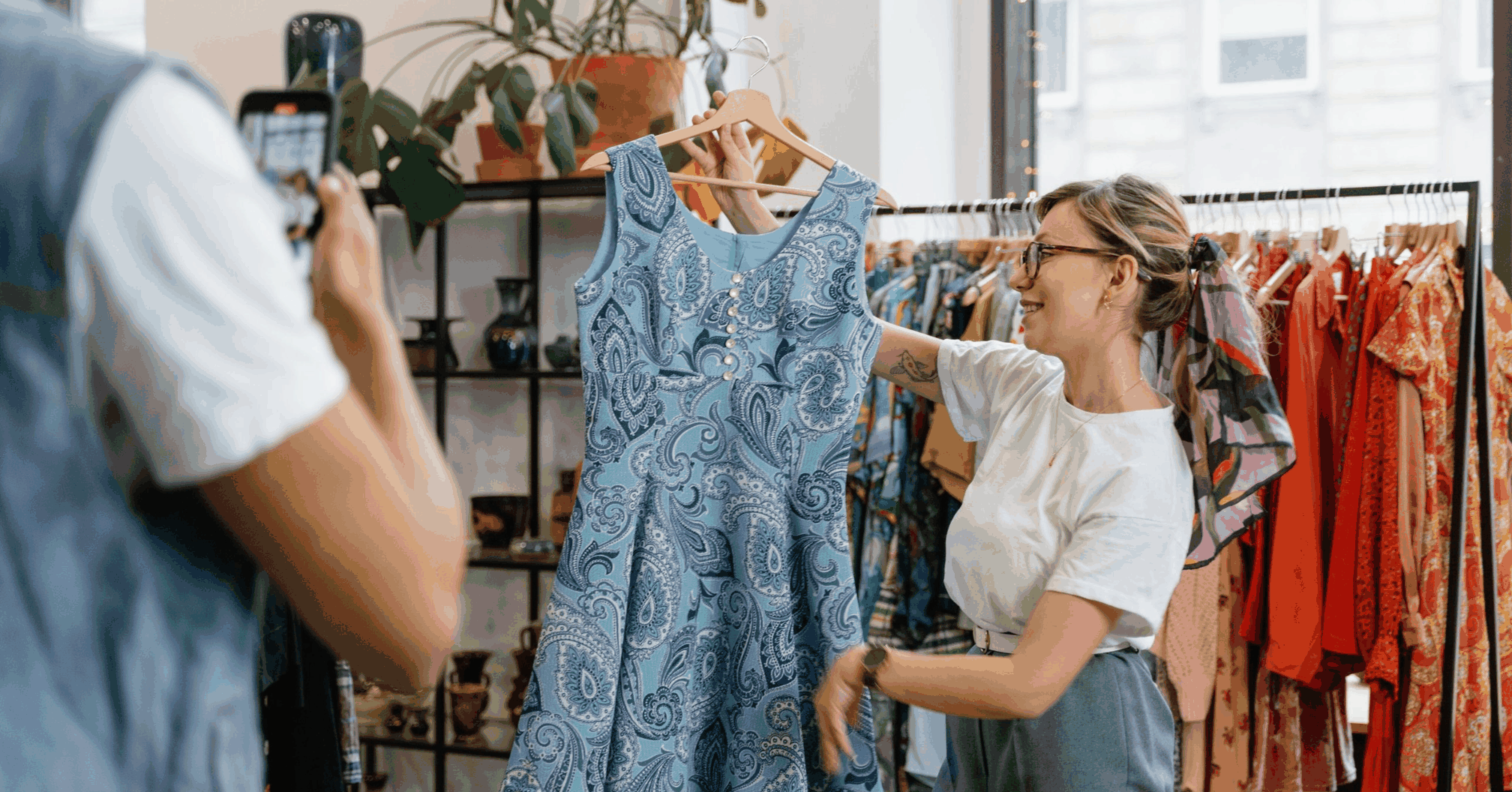
Live commerce is the sale of products through a live video broadcast, where a host presents items and viewers watch, interact through chat or reactions, and make purchases in real time. It combines the immediacy of live entertainment with instant checkout, compressing the path from product discovery to purchase into a single session.
Unlike a recorded product video, a live show lets shoppers ask questions and see answers demonstrated on the spot, which gives buyers more confidence before they commit to a purchase.
2. How Live Commerce Works
Live commerce pairs a live video broadcast with a way to buy on the spot, whether checkout happens inside the stream or through a linked product page. Each stage of the show has a specific job, from building an audience beforehand to fulfilling the orders it generates, and brands often underestimate the load that last step creates.
Setup and promotion: The brand schedules a show, chooses a host, and promotes it in advance through email, social media, and app notifications to build an audience.
- The live broadcast: A host presents products on camera, demonstrates their use, and responds to viewer questions and comments as the stream runs.
- Real-time interaction: Viewers post questions, react, and see offers appear on screen, often with countdowns or one-time codes that create urgency.
- Instant purchase: Shoppers add items to a cart and check out inside the platform or through a linked page, without waiting for the show to end.
- Fulfilment and follow-up: Orders flow to the brand’s fulfilment operation, and post-show messaging re-engages viewers who watched but did not buy.
Because discovery, questions, and checkout all happen in one session, a shopper can go from first seeing a product to buying it without leaving the stream.
3. Types of Live Commerce
Live commerce falls into a few main types, distinguished by where the stream runs and what format the show takes. Understanding the split helps brands match the channel to where their audience already shops and how much production they can sustain.
a. Where can brands host live commerce?
Brands can host live commerce on marketplaces, social platforms, or their own websites and apps:
- Marketplace live commerce takes place on platforms like Taobao Live and Amazon Live, where checkout is built in.
- Social live commerce runs on channels such as TikTok and YouTube, where reach is high, but purchase paths vary.
- Brand-owned live commerce runs on a company’s own website or app, giving it full control of data and the customer experience.
b. What live commerce formats can brands use?
Brands can use live commerce for product launches and demonstrations, tutorials, interviews or Q&As, and behind-the-scenes streams. Each format gives the host a different way to show the product or involve viewers during the session.
Product launches and demonstrations let shoppers see an item in use before buying. Meanwhile, tutorials are useful when a product benefits from step-by-step explanation or when several complementary products can be shown together. Interviews and Q&A sessions give influencers or subject-matter experts room to address viewer questions directly, while behind-the-scenes streams show parts of the brand, product, or process that shoppers would not normally see.
4. Benefits of Live Commerce for Brands
The main benefits of live commerce for brands are faster purchase decisions, a stronger presence on social platforms, and more chances to cross-sell. Each comes from the same source: a host who can demonstrate products and answer questions while viewers are deciding.
a. Higher conversion
Live commerce is built to convert in the moment. The host answers objections in real time, and time-limited offers add urgency, compressing the decision journey in a way a static product page cannot.
b. Stronger brand appeal
A well-produced show sets a brand apart, draws new traffic, and meets shoppers on the social platforms where they already spend time.
c. Real-time feedback and cross-selling
Live interaction gives brands immediate insight into what resonates, and formats like tutorials naturally bundle complementary products, which can increase average order value.
5. Top Live Commerce Platforms
In Southeast Asia, most live selling runs through Shopee, TikTok Shop, and Lazada, which together generated US$ 49.7 billion in content commerce GMV in 2025. [1] TikTok is the most popular platform for watching live commerce in the region, followed by Shopee. [3]
In China, the U.S. Department of Commerce identifies Douyin, Kuaishou, and Taobao Live as the leading livestream shopping platforms, with Douyin now leading in live commerce sales. [4]
In Western markets, social platforms and Amazon Live are the main channels for brands using livestreams to sell, with US livestream buyers up more than 21% year over year in 2025. [5] TikTok Shop combines product discovery, live interaction, and purchasing within the same ecosystem, making TikTok Shop fulfilment readiness important when streams generate sudden order volume.
In Europe, TikTok Shop has moved fastest, expanding into several European markets in 2025. [6]
Brands can also host live commerce on their own websites or apps. This gives them more control over the customer experience and data, but unlike established marketplaces or social platforms, they need to bring the audience themselves.
6. Live Commerce vs Social Commerce
Live commerce uses real-time video to sell products during a broadcast, while social commerce covers a wider range of shopping experiences on social platforms. The two overlap when live selling happens on channels such as TikTok or YouTube, but live commerce can also run on marketplaces or a brand’s own website or app.
Social commerce includes formats such as shoppable posts, creator content, and product links that shoppers can engage with anytime. Live commerce concentrates product demonstrations, viewer interaction, and purchasing into a scheduled session, creating a more immediate shopping experience.
7. Industries that Benefit Most from Live Commerce
Live commerce works best for products that are easier to judge on camera than in a photo. Fashion and beauty are the strongest fits, because a host can show fit, texture, and application in real time. Consumer electronics, home goods, and luxury also use the format where a close-up demonstration helps the sale.
According to a Statista survey, in Europe, nearly one-third of consumers purchase clothing through live commerce. [7] Other popular categories are homeware, accessories, beauty, and health products.
Among US live shoppers surveyed by Adobe Express, fashion or apparel is the top purchase category for 42%. This is followed by beauty or skincare (28%), electronics or tech accessories (27%), and jewellery or accessories (24%). [8]
Grand View Horizon states that the largest revenue-generating segments in Asia Pacific are fashion and apparel. [9]
8. Common Challenges in Live Commerce
Live commerce creates real operational pressure, and each challenge below can hurt profitability even when conversion looks strong. High return rates, content fatigue, and fulfilment bottlenecks all cut into margins, sometimes enough to offset the conversion gains a successful stream delivers.
a. High purchase return rates
Impulse buying under time pressure produces more order cancellations and product returns. A survey shows that 68% of consumers who make impulsive purchases experience post-purchase regret. This behaviour challenges retailers with high product returns. [10] In China, live commerce purchase return rates run 30% to 40%, well above the 10% to 15% typical of traditional e-commerce. [11] Brands need return policies and margins that account for this, or headline sales figures may overstate the real value.
b. Content and timing barriers
Viewers drop off when shows run long, feel like a sales pitch, or air at awkward times. In the US, length and timing are among shoppers’ main complaints about live shows, according to EMARKETER. [5] Keeping shows short and scheduling them when the audience is online addresses both.
c. Operational strain
A successful show concentrates a large volume of orders into a short window. Without inventory and fulfilment systems that can absorb the spike, brands face overselling, delays, and cancellations that damage the customer experience.
9. How to Build a Successful Live Commerce Strategy
The first few streams should stay deliberately narrow, using one channel and a small set of products that are easy to demonstrate live. Those sessions can show what generates purchases and whether fulfilment can absorb the resulting order volume before the programme expands.
Some product categories are better suited for live demonstration and impulse buys, like fashion, beauty, or new launches. Schedule shows when your audience is available, and make content engaging rather than overly sales-driven.
Sales spikes from live events only translate into revenue if order processing and fulfilment can keep pace, requiring real-time order and inventory sync technology that can handle surges without overselling.
10. Future Trends in Live Commerce
Live commerce is maturing past its social-media origins, and a few shifts will shape where it goes next.
- Brands taking ownership: More brands are moving live shows onto their own sites and apps to keep the customer data and checkout, rather than renting reach from social platforms.
- Convergence with fast delivery: As quick commerce sets the expectation for near-instant fulfilment, the gap between “buy on the stream” and “it arrives” becomes a competitive edge.
- Creator-led and AI-assisted formats: Creator hosting, and increasingly AI-assisted production, are changing how shows are made and scaled.
- Each of these shifts puts more weight on what happens after the stream: how accurate stock is and how fast orders ship.
11. Build the Operations Before You Scale
A successful live show creates two pressures at once: a burst of orders in a short window, and a higher share of those orders coming back as returns. Both land on inventory and fulfilment, not on the stream itself.
Before scaling, a brand needs connected systems that keep stock accurate across channels and route each order without manual work. Anchanto’s Order Management System connects inventory and order routing across channels, giving live sellers the operational foundation to handle the volume spikes that successful streams create.
Want to see how you can improve your live commerce order and inventory management?
Talk to us today!FAQs
1. Why is live commerce becoming popular?
Live commerce is growing because it turns passive watching into in-the-moment buying. The host answers questions in real time and time-limited offers add urgency, compressing the path from discovery to purchase. It also suits younger, mobile-first shoppers who favour interactive, video-first experiences.
2. Is live commerce suitable for B2B businesses?
Live commerce suits B2B when the product benefits from a live demonstration, though fewer B2B brands use it today compared with consumer retail. The format works best with content and scheduling tuned to a professional audience, where the buying cycle is longer and the decision involves more stakeholders.
3. Why does live commerce create higher return rates than standard e-commerce?
The urgency tactics that make live commerce convert well, such as countdown timers and limited-stock alerts, also encourage purchases buyers have not fully thought through. This leads to buyer regret and, ultimately, higher returns.
References:
[1] Momentum.asia – Live Commerce in Southeast Asia 2026
[2] Grandviewresearch.com – Live Commerce Market (2026 – 2033)
[4] Trade.gov – China E-Commerce Market
[5] Emarketer.com – FAQ on Livestream Commerce
[6] Momentum.asia -TikTok Shop in the U.S. 2025
[7] Statista.com – Most purchased live commerce product categories in Europe in 2025
[8] Adobe.com – The state of live shopping: What drives sales and spontaneous buys
[9] Grandreviewresearch.com – Asia Pacific Live Commerce Market Size & Outlook, 2026-2033