
Key Highlights
- A single TikTok Live Shopping session can bring in several days’ worth of orders, and every one still has to ship within TikTok’s dispatch window.
- Live selling lets hosts answer questions as they come up, and TikTok’s algorithm shows streams to viewers who don’t follow the host.
- The biggest risks are operational, not creative: overselling, missed dispatch deadlines and stock spread across channels can undo a successful stream.
- Scaling live selling means a fixed stream schedule, a repeatable format and orders and stock connected across every sales channel.
A strong TikTok Live Shopping session can bring in several days’ worth of orders at once. The harder part starts when the stream ends. Every one of those orders still has to be picked, packed and handed to a carrier inside TikTok’s dispatch window, or the seller’s account health takes the hit.
The format is growing fast. Livestream commerce is already worth about US$ 1 trillion a year, most of it in China, and ARK Investment Management projects it could reach about US$ 3.7 trillion globally by 2030. [1] Outside China, TikTok Shop is one of the platforms taking live shopping to new markets.
This guide covers what TikTok Live Shopping is, how it works and how to run a good stream. It also covers the part most guides skip: making sure your stock, orders and fulfilment keep up when a stream takes off.
1. What Is TikTok Live Shopping?
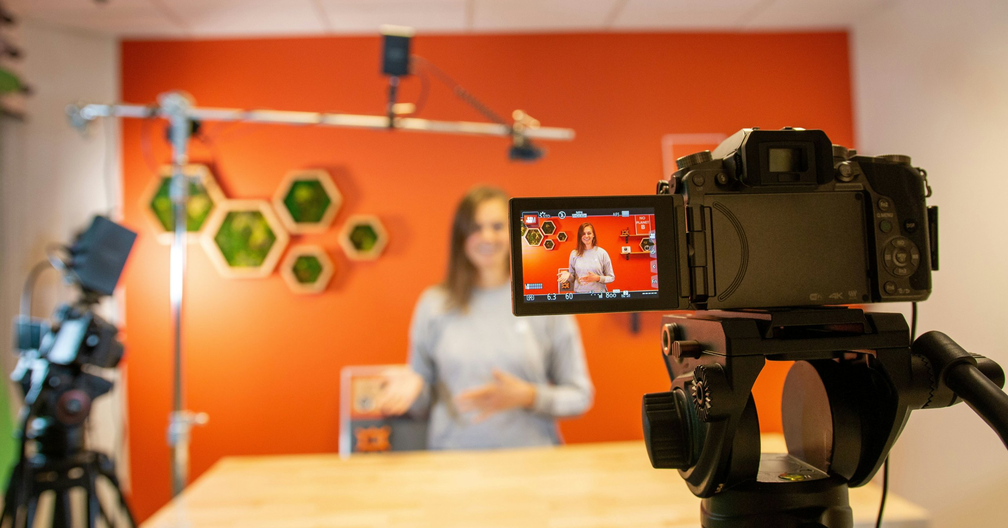
TikTok live shopping is a format where sellers or creators host a live video stream and sell products directly through in-stream shopping features. Viewers can browse tagged products, add them to cart, and check out without leaving the live stream, all while chatting with the host and other viewers in real time.
Unlike a static product listing, TikTok live stream shopping plays out like a demo with a live audience. Hosts show products in use, answer questions on the spot, and run limited-time offers as they come up in the chat.
2. How TikTok Live Shopping Works
TikTok live shopping allows viewers to move from watching a live stream to purchasing featured products without leaving the session. Behind that buying experience is a seller workflow that starts before the stream goes live and continues after checkout.
Step 1: Products are linked to a scheduled stream
A seller or affiliate creator schedules a live stream and links their product catalogue to their TikTok Shop. During the stream, products appear as tappable tiles at the bottom of the screen, or as pinned items the host highlights verbally.
Step 2: Viewers browse and check out during the stream
As viewers join, they can tap a product to see pricing, variants, and available stock, then check out inside the app. The host typically narrates around a rotating set of products, using countdowns, bundle deals, or flash discounts to create urgency.
Step 3: Orders flow straight into fulfilment
Every sale generated through the stream lands in the seller’s TikTok Shop order queue exactly like a normal order, which means it is subject to the same dispatch windows and delivery expectations.
The difference is volume. Depending on the products, price point, and how far a stream travels, one TikTok live selling session can generate several normal days’ worth of orders. If a TikTok live stream is very successful, the subsequent order surge has to be picked, packed, and shipped within TikTok’s standard fulfilment timelines or it risks penalties on account health.
3. Benefits of TikTok Live Shopping for E-commerce Brands
TikTok Live Shopping gives e-commerce brands a way to convert viewers, gather feedback, and reach new audiences within a single session. That combination shows up as a few measurable advantages.
a. Higher conversion in a single session
Live formats compress discovery, trust-building, and purchase into one continuous interaction rather than several separate touchpoints. A shopper who might otherwise browse a listing, leave to research the product, and come back later can do all three in the span of a single stream, while a host is right there to answer the question that would have sent them elsewhere.
b. Real-time objection handling
A host can address hesitation the moment it appears in the comments, something a static product page cannot do. This is particularly valuable for categories like beauty and supplements where buyers may have questions before committing.
c. Direct feedback on what sells
Live chat gives brands immediate feedback on which products and offers are attracting viewer interest during the stream. Live stream hosts get feedback that can shape their decisions during the live stream and also improve the next session.
- During the stream: Hosts can spend more time on products drawing questions or engagement and move on from items getting little response.
- After the stream: Marketing teams can use recurring questions and viewer reactions to refine what they feature and how they present it next time.
d. Stronger algorithmic reach
eMarketer notes that TikTok’s algorithm shows live streams to people who have never followed or interacted with the host, so a stream can reach new shoppers, not just existing followers. [2]
e. A repeatable sales lever
Once a brand has a workable format, TikTok live selling becomes something that can be scheduled and repeated weekly, rather than a one-off campaign.
None of these benefits show up automatically. They depend on a brand’s ability to keep stock accurate, pricing consistent, and orders moving through fulfilment without delay, which is why operational readiness matters as much as the on-camera performance.
4. TikTok Live Shopping vs TikTok Shoppable Video
TikTok Live Shopping is better suited to real-time selling, while shoppable videos are designed to continue driving product discovery after publication. Brands can use both formats, but each plays a different role in how viewers discover and buy products.
| TikTok Live Shopping | TikTok Shoppable Video | |
| Format | Real-time, interactive live stream | Pre-recorded, tagged short video |
| Sales window | Concentrated during the live session | Ongoing, for weeks after posting |
| Buyer interaction | Live chat, instant Q&A | Comments only, no real-time reply |
| Demand pattern | Sharp, short-lived spikes | Steady, gradual baseline |
| Best for | Urgency-driven launches and flash offers | Evergreen discovery and awareness |
Most brands use both formats together: shoppable videos build steady baseline discovery, while live sessions convert that audience into concentrated purchase events. Choosing which products to feature in each format is part of the planning covered in the best-practices section below.
5. How to Get Started with TikTok Live Shopping
Getting started with TikTok Live Shopping means preparing both the shoppable stream and the order process behind it before you go live. Here’s what needs to be in place on each side.
a. Platform setup
Before scheduling a first stream, the shop must be fully configured and approved to sell.
b. Account registration
Select a country, register as an individual or business, and configure warehouse and return addresses within TikTok Shop Seller Centre.
c. Document verification
TikTok requires personal identification for individual sellers and business registration documents for companies prior to shop approval.
d. Bank account linking
A linked bank account is required to receive payouts once the shop is approved.
e. Catalogue setup
Product listings should include complete titles, descriptions, pricing, inventory quantities, and category classifications, as this information is what viewers see and interact with during the stream.
Our guide on how to sell on TikTok Shop covers this step in more depth, including account setup, catalogue structuring, and the compliance checks TikTok expects from new sellers.
f. Operational setup
Once the shop is ready to sell, set up the operational side so a busy stream doesn’t stall in the warehouse.
g. Inventory sync
Real-time inventory syncing across every sales channel, is vital. So, make sure to connect TikTok Shop to the same stock pool as your other channels before you go live.
h. Fulfilment capacity
Warehouse or 3PL capacity should be confirmed in advance of the stream to prevent delays in picking or packing during a surge.
i. Carrier pickup
Carrier pickup should be scheduled or confirmed immediately following the stream, so orders move within TikTok’s required dispatch windows.
6. Best Practices for Successful TikTok Live Shopping
The brands that succeed with TikTok Live Shopping follow a consistent set of habits, from planning a product rotation to preparing for order surges. Most of these habits are about the stream itself. Two of them, keeping stock accurate and preparing for the order surge, decide whether a good stream turns into delivered orders:
a. Plan a product rotation
A planned product rotation helps sellers structure the live session and gives viewers a reason to stay through the whole session rather than leaving after the first item displayed.
b. Match offer timing to stream activity
Viewer attention during a live session can shift throughout, so some sellers time offers to activity in the stream rather than following a fixed script. This might mean introducing a discount or bundle early, or holding it for a point when comments or viewer count pick up. Testing different offer placements against your own stream data is one way to see what works for a given audience.
c. Keep stock visibly accurate
Nothing kills trust faster than a host promoting an item that is actually out of stock. The host or your live stream team should have access to current sellable stock while presenting.
d. Use urgency sparingly
Countdown timers and limited-quantity callouts work, but only if they are genuine. Repeating the same urgency tactic stream after stream risks feeling scripted rather than real, so it’s worth varying the approach rather than leaning on the same countdown every time.
e. Prepare for the order surge
Plan fulfilment before the stream starts. Pre-stage the featured SKUs, schedule extra warehouse cover for the hours after the stream, and confirm your carrier can collect the larger volume.
f. Learn from each stream’s data
Watch time, conversion by product, and comment sentiment as each point to a different decision for the next stream. Watch time can indicate where viewers lose interest. Conversion by product can show which items are worth featuring again versus being dropped.
Comment sentiment can surface recurring viewer concerns that a host might address earlier. Reviewing these signals after each stream is one way to make the next live TikTok session more informed than the last.
7. Common Challenges with TikTok Live Shopping
TikTok Live Shopping comes with its own set of operational challenges, from order volume to stock accuracy to fulfilment timing. Most of the problems sellers hit with TikTok Live Shopping start after the stream ends, when orders, stock levels, and dispatch deadlines all land at once. Here’s where that friction usually shows up.
a. Fulfilment failures hurt ratings
When a stream goes well, orders can arrive faster than a seller’s systems can confirm available stock, leading to orders that cannot actually be fulfilled.
When overselling forces sellers to cancel orders or miss fulfilment deadlines, it can hurt TikTok Shop seller performance metrics and may lead to enforcement. In the US, for example, TikTok’s own Fulfilment Policy sets out exactly what those thresholds are, though the specific day counts and penalties can vary by country. [3]
b. Missed dispatch windows
TikTok Shop enforces fulfilment service level agreements (SLAs), and sellers who let live order surges pile up risk breaching their dispatch timelines, which can trigger account health penalties or restrictions. [3]
c. Fragmented inventory across channels
Brands selling on TikTok alongside Amazon, Shopify, and other marketplaces or webstores often struggle to keep stock numbers synced in real time, which is exactly when overselling happens. Solid inventory management across every channel is what prevents a single viral stream from creating a fulfilment mess.
d. Creator and host inconsistency
Using multiple creators can make it harder to deliver a consistent brand experience across TikTok Live sessions. Differences in product knowledge, tone, and presentation style can affect how accurately products are represented and how confidently viewer questions are handled.
Brands can reduce that variation by giving hosts clear product guidance and a shared set of key messages before each stream, so every session covers the same core claims and handles common questions the same way.
e. Measuring live stream ROI
A stream’s value doesn’t all show up during the stream. Some viewers buy days later, from a shoppable video or a visit to the shop, and eMarketer notes that attribution for the format remains difficult. [2] Judging each session on in-stream sales alone will undercount what it delivered.
Track two sets of numbers separately. Direct sales show what the stream earned on the day. Audience signals such as returning viewers, comments, and shares show whether you’re building an audience that will buy next time. For brands new to live selling, eMarketer recommends weighting the audience signals more heavily than immediate sales. [2]
8. Technology That Supports TikTok Live Shopping
Three types of tools support TikTok Live Shopping at scale: an order management system, inventory syncing and performance analytics. The first two stop a busy stream from selling stock the warehouse can’t ship. Analytics then show what drove sales, so each stream can improve on the last. So, the best systems to implement for managing commerce and social commerce sales are:
a. Order management system (OMS)
An order management system is the backbone of this setup. It gives sellers one place to manage orders across every channel, instead of reconciling TikTok orders separately from the rest of the business.
Solutions like Anchanto’s OMS integrate directly with TikTok Shop, keeping order and status data current through automated syncs. The integration also covers both of TikTok’s fulfilment paths, whether a seller ships through TikTok’s own carrier or their own logistics network.
b. Inventory management system
An inventory management system can offer real-time syncing to keep stock levels consistent across every channel a brand sells on, not just TikTok Shop. That consistency is what lets a seller trust the numbers they’re looking at, whether that’s a host checking stock mid-stream or a warehouse team prepping for the next one.
c. Performance analytics
Analytics that break down performance by product and by minute of the stream help teams understand what actually drove higher conversion, rather than guessing. The most useful view lines up viewer counts against add-to-cart and purchase events on the same timeline to pinpoint which specific moments drove the sales.
9. How to Scale TikTok Live Shopping Operations
Scaling TikTok Shop Live Stream Selling from an occasional stream to a consistent revenue channel requires treating it like any other high-volume sales channel rather than a one-off marketing push. The four areas below are where brands may need to invest as they move from running occasional sessions to operating a repeatable live commerce programme.
a. Increase stream frequency
Move from occasional sessions to a regular schedule. Consistency helps build a returning audience that shows up expecting new offers, and most brands find it easier to start with a single fixed weekly slot before adding more.
b. Standardise the stream format
Document the product rotation, offer structure, and pacing that work for a brand’s audience, so a session holds together regardless of which host is running it. This gives a brand a consistent template to scale from, rather than relying on any one host’s instincts to carry the stream.
c. Build fulfilment capacity
This is the step brands most often underestimate. As streams get more frequent and each one brings in more orders, manual fulfilment processes stop being viable. This is usually the point where brands bring in a specialised logistics partner. A capable 3PL can add the extra capacity and process support needed to handle order spikes that come with live commerce, making it easier to stay within TikTok’s required windows even during a brand’s biggest sessions.
d. Align commercial and operations teams
Scaling also means tightening the loop between what happens on stream and what happens in the warehouse. Real-time visibility into stock, orders, and shipping status needs to reach both the commercial team running the stream and the operations team fulfilling it, so decisions made on camera about discounts or bundles do not create fulfilment problems an hour later.
10. Making TikTok Live Shopping a Sustainable Channel
TikTok Live Shopping has moved from a novelty format to a serious sales channel, and the brands getting real results from it are the ones treating it with the same operational rigour as any other channel.
A good stream gets you the orders. What happens next decides whether the channel lasts: accurate stock, fast dispatch and reliable delivery. Get that foundation in place before you scale the stream schedule, not after.
Ready to turn TikTok Live into a channel you can scale?
Anchanto’s Order Management solution integrates directly with TikTok Shop, keeping orders and inventory in sync so you can meet dispatch windows even during your most viral sessions.
FAQs
1. What is TikTok Live Shopping?
TikTok Live Shopping is a live streaming format where sellers or creators sell products directly through interactive live streams, letting viewers browse, ask questions, and check out without leaving the stream.
2. Does TikTok Live Shopping support cross-border selling?
TikTok Shop supports cross-border selling through its Global Selling program, but eligibility, registration, and fulfilment requirements vary by the seller’s origin market, target market, and the specific program they enroll in. Sellers should check the current TikTok Shop Global Selling requirements for their situation directly through Seller Centre before launching, since terms and supported lanes continue to change.
3. What are TikTok live shopping SLA requirements?
TikTok Shop requires sellers to dispatch orders within a set number of business days and to maintain a delivery performance rate above a minimum threshold, though the exact figures vary by market. In the US, for example, that generally means dispatch within two business days, based on TikTok’s own Fulfilment Policy. [3] Sellers who repeatedly miss their market’s service level agreements risk order cancellations, account health penalties, or selling restrictions.
4. How do brands prevent overselling during TikTok Live events?
Real-time inventory syncing across every sales channel is the main safeguard. When stock levels update instantly as orders come in, whether from a live stream, a marketplace, or a website, sellers avoid promoting items they can no longer fulfil.
5. What software integrates with TikTok Live Shopping?
Order management systems, inventory management platforms, and warehouse or 3PL integrations are the core software layers that support TikTok Live Shopping at scale, keeping orders, stock, and fulfilment aligned across every channel a brand sells on.
References:
[1] Ark-invest.com – Livestream Commerce Is Reviving Home Shopping