

The Thailand e-commerce market is positioned as ASEAN’s second-largest e-commerce market after Indonesia [1]. It is home to 65.4 million internet users [2] as of 2025, with mobile devices serving as the primary gateway to digital commerce. Mobile devices account for more than 80% of total online sales in Thailand [3], reflecting a predominantly mobile-first consumer base that expects seamless smartphone shopping experiences.
While business-to-consumer (B2C) e-commerce dominates, B2B e-commerce in the country is also growing [4], spurred on by the demand for increased prodb2buctivity across all sectors.
For businesses evaluating regional market opportunities and comparing e-commerce market sizes across different countries, Thailand’s consistent growth trajectory in both urban and rural areas along with improving infrastructure make it a compelling choice.
1. Leading E-commerce Platforms in Thailand
The Thailand e-commerce ecosystem features a competitive landscape where international platforms and social commerce applications vie for market dominance, each offering distinct advantages to different consumer segments.
a. Shopee Thailand
Shopee retained its top position with a 66% usage rate among Thai consumers’ [5], maintaining its leadership through user-friendly interfaces, extensive seller tools, and aggressive promotional campaigns. For businesses determining the best e-commerce platform based on market reach, Shopee’s dominance makes it essential for most Thailand ecommerce strategies.
- Region: Southeast Asia
- Headquarters: Singapore (Thailand operations in Bangkok)
- Services: E-commerce Marketplace, Mobile Commerce, Social Commerce, Payment Solutions
- Specialization: Mobile-first marketplace with gamification and promotional campaigns
b. Lazada Thailand
Lazada holds the second position with 52% consumer usage, leveraging Alibaba Group’s resources to provide sophisticated logistics infrastructure and advanced seller tools. The platform’s integration with Alibaba’s ecosystem provides Thai businesses with access to international supply chains and cutting-edge e-commerce technologies.
- Region: Southeast Asia
- Headquarters: Singapore (Thailand operations in Bangkok)
- Services: E-commerce Marketplace, Logistics Solutions, Cross-border Trade, Advertising Platform
- Specialization: Professional-grade tools and international expansion capabilities
c. TikTok Shop Thailand
TikTok reached 47% usage among Thai consumers, representing the rapid rise of social commerce in Thailand. TikTok Shop achieved remarkable market penetration within months of its launch, transforming from a social media platform into a powerful e-commerce channel through its unique blend of entertainment and shopping.
- Region: Global
- Headquarters: Singapore (Southeast Asia operations)
- Services: Social Commerce, Live Shopping, Affiliate Marketing, Short-form Video Commerce
- Specialization: Shoppertainment and creator-driven sales
d. LINE Shopping
LINE maintains a strong presence in Thailand’s e-commerce landscape, leveraging the messaging platform’s dominance in Thai digital life. 51 million users in Thailand [6] use LINE monthly, reflecting 85.7% of all internet users, providing a massive built-in audience for LINE Shopping.
- Region: Japan and Southeast Asia
- Headquarters: Tokyo, Japan (Thailand operations in Bangkok)
- Services: Social Commerce, Messaging Integration, Mobile Payments, Product Discovery
- Specialization: Integrated shopping within Thailand’s most popular messaging app
e. JD Central
This joint venture between Thailand’s Central Group and China’s JD.com combines local retail expertise with advanced e-commerce technology. The platform specializes in authentic products with guaranteed quality, appealing to Thai consumers who prioritize product authenticity and reliable delivery services.
- Region: Thailand
- Headquarters: Bangkok, Thailand
- Services: E-commerce Marketplace, Premium Logistics, Authentic Product Guarantee
- Specialization: Quality-focused marketplace with Central Group’s retail credibility
2. Expanding Beyond Bangkok: Regional E-commerce Adoption
While Bangkok dominates the Thailand e-commerce landscape due to its advanced infrastructure and concentration of retail activity, regional expansion represents growth opportunities as infrastructure continues improving across the country.
In early 2025, 54.7 percent of Thailand’s population lived in urban centres [7], whereas 45.3 percent lived in rural areas, indicating substantial untapped potential beyond metropolitan areas.
That said, rural e-commerce presents unique challenges including longer delivery times, limited payment infrastructure, and lower digital literacy levels. However, government initiatives [8] to improve internet connectivity and the expansion of mobile payment systems are gradually reducing these barriers, opening substantial market opportunities for businesses willing to invest in reaching underserved populations.
3. Logistics and Delivery Ecosystem in Thailand
Thailand’s e-commerce growth relies heavily on an evolving logistics infrastructure that combines international expertise with local knowledge to serve diverse geographical requirements across the country.
a. Thailand Post
As the national postal service, Thailand Post maintains extensive domestic coverage and has invested significantly in e-commerce logistics infrastructure. The organization provides specialized warehousing, fulfillment, and delivery services designed specifically for online retailers, including same-day delivery options in major cities and comprehensive tracking systems.
- Region: Thailand with international capabilities
- Headquarters: Bangkok, Thailand
- Services: Postal Services, E-commerce Logistics, Warehousing, Fulfillment, Same-day Delivery
- Specialization: Nationwide coverage with government-backed infrastructure
b. Flash Express
Flash Express, a Chinese company that entered Thailand in 2018, quickly captured the Thai market with convenient, fast, and secure delivery services. Flash Express has ascended to become the market’s second-largest player, exhibiting swift growth, offering competitive pricing and technology-driven solutions.
- Region: Thailand and Southeast Asia
- Headquarters: Bangkok, Thailand
- Services: Express Delivery, E-commerce Logistics, Cash-on-Delivery, Real-time Tracking
- Specialization: Technology-driven express delivery with competitive pricing
c. Kerry Express (KEX)
Kerry Express operates as a major logistics provider offering comprehensive domestic and limited international shipping services. The company focuses on reliability and customer service, maintaining strong coverage across Thailand’s urban centers and increasingly reaching provincial areas.
- Region: Thailand and Southeast Asia
- Headquarters: Bangkok, Thailand
- Services: Express Delivery, Parcel Services, E-commerce Solutions, Warehousing
- Specialization: Reliable express delivery with strong urban coverage
d. J&T Express Thailand
J&T Express has witnessed substantial expansion, particularly buoyed by parcel volumes from TikTok. The company’s technology-driven approach and extensive network coverage enable efficient delivery services across urban and provincial areas.
- Region: Southeast Asia
- Headquarters: Jakarta, Indonesia (Thailand operations in Bangkok)
- Services: Last-Mile Delivery, Cash-on-Delivery, Real-time Tracking, Express Shipping
- Specialization: Technology-focused logistics with strong social commerce integration
e. SCG Express
Part of the Siam Cement Group conglomerate, SCG Express leverages its parent company’s extensive logistics expertise and distribution infrastructure. The company provides comprehensive delivery services with a focus on reliability and nationwide coverage.
- Region: Thailand
- Headquarters: Bangkok, Thailand
- Services: Express Delivery, Freight Services, Warehousing, Distribution
- Specialization: Corporate-backed logistics with extensive infrastructure
f. Nim Express
Nim Express is a large, purely Thai private shipping company, comparable to Thailand Post, with distribution centers nationwide and over 10 years of service. The company is particularly suitable for businesses needing to send large quantities of goods with comprehensive services including delivery and storage.
- Region: Thailand
- Headquarters: Bangkok, Thailand
- Services: Express Delivery, Cold Chain Service, Moving Services, Storage Solutions
- Specialization: Comprehensive logistics with storage capabilities
4. Preferred Payment Methods Among Thai Online Shoppers
Thailand’s payment landscape has undergone dramatic transformation, with digital payment methods rapidly gaining dominance over traditional cash transactions in e-commerce environments.
a. PromptPay and QR Code Payments
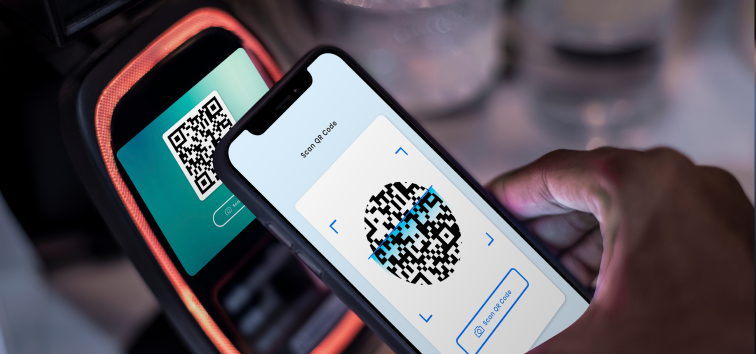
Thailand ranks third globally for QR code usage, with 61.5% [9] of the population using QR codes monthly, largely driven by PromptPay. PromptPay was launched in 2017 and has over 79million registered users recorded in 2023.
PromptPay facilitates real-time transfers using simple identifiers like mobile phone numbers or ID card numbers, eliminating the need for complex bank account details. This payment method has revolutionized how Thai consumers send and receive money, making it highly accessible across all demographic segments.
b. Bank Transfers
Bank transfers continue to be one of the most common payment methods Thailand uses for online purchases, accounting for a significant 40% of transaction volume [10], largely attributed to PromptPay.
c. Digital Wallets and E-Wallets
Digital wallets are rapidly gaining traction, with the market set to reach $18.64 billion by 2029 [11]. Leading mobile wallet brands in Thailand include TrueMoney, LINE Pay, ShopeePay, and GrabPay, each offering distinctive features and loyalty programs.
TrueMoney holds a 53% share of Thailand’s e-wallet market, with over 17 million active users, accepted at convenience stores like 7-Eleven and Family Mart, along with over 7 million locations globally. These platforms have become essential for e-commerce transactions, offering convenience, speed, and often promotional benefits that encourage adoption.
d. Credit and Debit Cards
Credit cards (19%) and debit cards (1%) combined account for 20% of online purchase volume in Thailand [12]. Thai consumers value credit and debit cards for the rewards, discounts, cashback, and importantly, the installment payment options they often provide, with banks actively offering 0% installment plans to boost usage.
e. Buy Now, Pay Later (BNPL)
BNPL services have experienced substantial expansion in Thailand’s e-commerce ecosystem. Between 2021 and 2024 [13], the BNPL sector grew at a compound annual growth rate of 24.0%, reaching USD 3.43 billion in market value by 2024. This payment method allows consumers to receive goods immediately and pay in interest-free installments, making high-value purchases more accessible and significantly boosting conversion rates.
5. Top Product Categories Driving E-commerce Sales in Thailand
Thai consumers demonstrate distinct preferences across product categories, with certain segments showing particularly strong performance in online channels. According to insights from PCMI:
- Fashion and apparel maintain dominant positions, with fashion items including clothes and footwear accounting for 60% of the total market. Thai consumers’ strong interest in fashion, combined with the convenience of online shopping and easy returns, has made this category exceptionally popular.
- Beauty and personal care products show remarkable growth, with personal care at 43.2% of market activity. Thailand’s beauty-conscious culture [14], influenced by Korean and Japanese beauty trends, drives substantial online purchases of cosmetics, skincare, and personal care items.
- Electronics contributes 29.5% to the market’s total revenue, driven by Thailand’s tech-savvy population and strong demand for smartphones, computers, and consumer electronics. The category benefits from the ability to compare specifications and prices easily online.
- Food and beverage e-commerce has expanded significantly, with 35% of market engagement. The growth of quick commerce platforms offering grocery delivery within an hour has further accelerated this category’s expansion, particularly in urban areas.
6. Peak Online Shopping Seasons and Events in Thailand
Thailand’s e-commerce calendar features numerous shopping festivals and promotional events that drive significant transaction volumes and consumer engagement throughout the year.
a. Major E-commerce Campaign Periods
The year-end shopping season, particularly around 12.12 (December 12), represents one of Thailand’s biggest e-commerce events. TikTok Shop’s 12.12 Year-End Big Sales demonstrated platform strategy to support brands with 300% growth in overall orders compared to an average day, with a remarkable 3.8X increase in LIVE GMV within the first hour [15].
Mid-year campaigns including 6.6 (June 6), 7.7 (July 7), and 8.8 (August 8) have gained popularity as platforms compete for consumer attention with aggressive discounts and promotional offers. These campaigns typically feature flash sales, vouchers, and free shipping promotions designed to drive purchasing urgency.
b. Traditional Thai Festivals
Songkran (Thai New Year in April) and Chinese New Year (January/February) drive significant e-commerce activity as consumers purchase gifts, decorations, and festive products. These cultural celebrations create substantial demand across multiple product categories.
The year-end holiday period from November through January sees sustained high e-commerce activity as consumers shop for gifts, prepare for celebrations, and take advantage of year-end sales campaigns across all major platforms.
c. Platform-Specific Mega Sales
Individual platforms host their own mega sales events throughout the year, with Shopee’s various monthly campaigns, Lazada’s anniversary sales, and TikTok Shop’s regular promotional events creating continuous shopping momentum. These platform-specific events often feature exclusive brand partnerships, limited-time offers, and entertainment elements like games and live streaming.
7. Challenges Facing Thai E-commerce
Despite impressive growth, Thailand’s e-commerce sector faces several challenges that businesses must navigate strategically to achieve sustainable success.
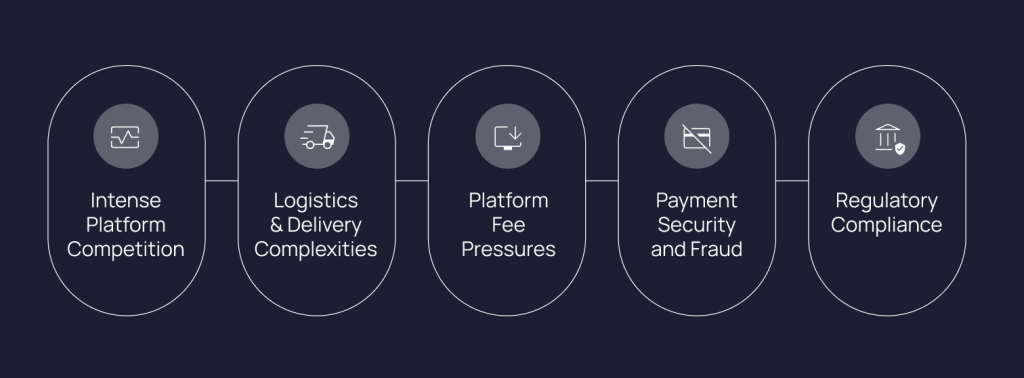
a. Intense Platform Competition
With Shopee, Lazada, and TikTok in Thailand now hosting the majority of e-commerce traffic and number of sellers, competition is high. This intense competition, particularly from Chinese sellers who can offer significantly lower prices [16], creates pressure on margins and requires differentiation strategies beyond price alone.
b. Logistics and Delivery Complexities
While urban areas enjoy excellent delivery infrastructure, reaching rural and remote areas remains challenging due to infrastructure limitations and geographical dispersion [17]. Thailand’s express parcel delivery market is undergoing intense consolidation as major players adapt to fierce competition, evolving consumer behaviour, and economic pressures.
Managing efficient and cost-effective delivery across Thailand’s diverse geography requires businesses to partner with experienced logistics providers while implementing robust tracking systems that provide visibility throughout the delivery process.
c. Platform Fee Pressures
Rising marketplace fees and advertising costs are creating margin pressures for sellers, particularly small and medium enterprises. Leading platforms raising seller fees [18] has prompted many businesses to turn to influencers and direct consumer engagement to drive performance, requiring adaptive strategies that balance marketplace presence with alternative channels.
d. Payment Security and Fraud
While digital payment adoption is growing rapidly in Thailand, security concerns and fraud risks remain challenges. Businesses must implement robust security measures and work with trusted payment providers to protect both their operations and customer data.
e. Regulatory Compliance
Thailand’s evolving e-commerce regulations [19], including consumer protection laws, data privacy requirements, and tax obligations, require businesses to maintain compliance across multiple frameworks. Staying current with changing regulations while managing compliance costs can be particularly challenging for smaller businesses.
8. Winning Strategies for E-commerce in Thailand
Success in Thailand’s competitive e-commerce landscape requires strategic planning, deep market understanding, and operational excellence tailored to local characteristics. For organizations exploring how to start e-commerce business in Thailand or scale existing operations, these proven strategies provide a roadmap for sustainable growth in one of Southeast Asia’s most dynamic digital markets.
a. Embrace Social Commerce and Live Shopping
Thailand continues to lead Southeast Asia in social commerce adoption, with direct purchasing through social platforms expected to account for 38% of all e-commerce transactions in 2025 [20]. Live shopping shows particularly strong performance, with conversion rates averaging 7.4% across platforms.
Businesses should invest in creating engaging live streaming content, partnering with relevant influencers, and developing authentic video content that showcases products effectively while building brand awareness through entertaining storytelling.
b. Optimize for Mobile-First Experiences
With mobile devices accounting for more than 80% of total online sales in Thailand, making mobile optimization absolutely critical. Businesses must prioritize creating seamless mobile experiences with fast loading times, intuitive navigation, mobile-optimized checkout processes, and integration with popular local payment methods.
c. Leverage Multi-Platform Strategies
Rather than concentrating exclusively on a single marketplace, successful businesses develop sophisticated multi-platform strategies that leverage the unique strengths of different channels while maintaining consistent brand messaging. This approach maximizes market reach while reducing dependence on any single platform.
d. Integrate Local Payment Methods
Businesses must support diverse digital payment methods that Thai consumers prefer, particularly PromptPay, popular e-wallets like TrueMoney and LINE Pay, and BNPL options for higher-value purchases. Offering multiple payment options reduces checkout friction and increases conversion rates. Seamless enterprise integrations enable businesses to connect payment gateways, marketplaces, and logistics providers efficiently, creating unified operations across all channels.
e. Implement Robust Logistics Solutions
Partner with reliable logistics providers who understand Thailand’s geographical challenges and can deliver consistent service across urban and provincial areas. Equally important is implementing comprehensive parcel tracking systems that provide customers with real-time visibility into their orders while enabling businesses to proactively manage delivery exceptions.
f. Focus on Influencer and Affiliate Marketing
81% of Thais make purchases due to key opinion leader or influencer recommendations [21]. Develop authentic, long-term relationships with micro and nano influencers who have highly engaged audiences in your target segments, often delivering higher trust and ROI than celebrity partnerships.
g. Utilize Data Analytics and AI
Implement advanced analytics to understand Thai consumer behavior patterns and preferences across different demographic segments. PwC Thailand [22] is projecting a rise in GenAI integrations for businesses across sectors, citing a need to stay competitive and to assure long-term success.
9. The Road Ahead for Thailand’s Digital Commerce
The future of e-commerce in Thailand is one of exceptional growth, driven by technological innovation, evolving consumer behaviors, and increasingly supportive business environments.

a. Artificial Intelligence and Automation
AI and machine learning technologies will become increasingly integrated into the Thai shopping experience, powering personalized recommendations, and predictive analytics. Businesses embracing these technologies early will gain significant competitive advantages with a majority of Thais having outsized trust in GenAI-powered personalizations [23].
b. Quick Commerce Expansion
The demand for rapid delivery is growing, with Thailand’s quick commerce market projected to grow by 20-30% annually [24]. This trend toward ultra-fast delivery, particularly for groceries and daily necessities, will continue reshaping consumer expectations and logistics infrastructure requirements.
c. Cross-Border E-commerce Growth
Thailand’s strategic position in Southeast Asia will become increasingly valuable as cross-border e-commerce expands throughout the region. Both Thai businesses expanding regionally and international brands entering through Thailand will drive growth in cross-border transactions. Similar patterns are emerging across Southeast Asian markets, including the rapidly growing Philippines e-commerce industry, creating opportunities for businesses to leverage regional expansion strategies.
10. Conclusion: Positioning for Growth in Thailand’s Digital Market
The Thailand e-commerce market presents exceptional opportunities for businesses that understand local nuances while leveraging global best practices. For international brands, Thailand offers an excellent testing ground for Southeast Asian expansion strategies, providing valuable market insights while serving as a strategic base for regional operations. Local businesses can benefit from increasingly sophisticated infrastructure and growing consumer confidence while preparing for cross-border growth opportunities.
Success requires embracing social commerce and live shopping, optimizing for mobile-first experiences, integrating local payment preferences, building robust logistics capabilities, and leveraging data-driven personalization. Businesses that understand the importance of leveraging advanced technology platforms to manage complex multi-channel operations efficiently while respecting local preferences and cultural diversity will have a place in the future of e-commerce in Thailand.
A strong order management foundation enables large businesses to orchestrate high-volume, multi-channel operations with greater accuracy, automation, and transparency across inventory, fulfillment, and customer touchpoints. SaaS technology like Anchanto‘s supports enterprise e-commerce teams by connecting retail channels, logistics providers, ERP systems, and regional operations into a unified operational layer, helping organizations scale efficiently while maintaining governance, reliability, and operational consistency across markets.
Ready to capitalize on Thailand’s e-commerce potential?
Discover how advanced order management systems can support your growth in this rapidly expanding market.
Get In TouchFAQs
1. How big is Thailand’s e-commerce market?
Thailand’s e-commerce e market is valued at 980 billion baht (USD 28 billion). The market serves a growing base of digitally-savvy consumers across urban and rural areas, making it one of Southeast Asia’s most promising e-commerce destinations.
2. What factors are driving Thailand’s e-commerce boom?
Thailand’s e-commerce boom is driven by multiple converging factors: exceptionally high mobile adoption with mobile devices accounting for more than 80% of total online sales, widespread digital payment systems like PromptPay, the rapid rise of social commerce and live shopping, improving logistics infrastructure, and strong consumer engagement with platforms like TikTok Shop, Shopee, and Lazada.
3. Which e-commerce platforms are most popular in Thailand?
Shopee retained its top position with a 66% usage rate among Thai consumers, followed by Lazada at 52% and TikTok at 46%. The rapid rise of TikTok Shop demonstrates the growing power of social commerce in Thailand. Each platform offers unique advantages, with successful businesses often adopting multi-platform strategies to maximize market reach.
4. What role does social commerce play in Thailand?
Social commerce plays a transformative role in Thailand’s e-commerce landscape. Thailand continues to lead Southeast Asia in social commerce adoption, with direct purchasing through social platforms expected to account for 38% of all e-commerce transactions in 2025.
5. What are the major last-mile delivery companies in Thailand?
Thailand Post remarkably retains its market leadership, while Flash Express has ascended to become the market’s second-largest player. Other major providers include J&T Express (experiencing substantial expansion particularly from TikTok volumes), Kerry Express (KEX), SCG Express, and Nim Express. These providers offer varying service levels, pricing structures, and coverage areas, with most supporting cash-on-delivery, real-time tracking, and integration with major e-commerce platforms.
6. How are international brands performing on Thai marketplaces?
International brands face intense competition in Thai marketplaces, particularly from Chinese sellers. However, international brands that successfully differentiate through quality, authenticity guarantees, brand storytelling, and superior customer service can achieve strong performance. Success requires multi-platform presence, local payment integration, influencer partnerships, and understanding of Thai consumer preferences.
References:
[1] Research.hktdc.com – The ASEAN Retail E-commerce Market Landscape
[2] Worldpopulationreview.com – Internet Users by Country 2026
[3] Marketresearchthailand.com – Unveiling Thailand Retail Market Trends & Opportunities
[4] Trade.gov – Thailand Country Commercial Guide
[6] Worldpopulationreview.com – Line Users by Country 2026
[7] Unescap.org – Statistical Yearbook for Asia and the Pacific
[8] Archive.opengovasia.com – Connectivity for All: Thailand’s Digital Infrastructure Strategy
[9] Aseans.com – Thailand Ranks Third Globally in QR Code Usage
[10] Yougov.com – Online shopping in Thailand: which payment methods are most popular?
[12] Yougov.com- Online shopping in Thailand: which payment methods are most popular?
[14] Thebeat.asia – Defining Thai Beauty: Skincare and Makeup from the Land of Smiles
[15] Eglobaltravelmedia.com.au – TikTok Shop 12.12 Mega Sales: 300% Order Surge, 8X Seller Growth
[16] Cnbc.com- Chinese e-commerce giants now dominate Southeast Asia’s online shopping scene
[17] Ap.fftc.org.tw – Development of Thailand’s Agricultural Logistics System
[18] Bangkokpost.com – Online sellers hit by large increases in fees
[19] Tilleke.com – Thailand Introduces New Obligations for Online Marketplaces
[20] Hhashmeta.com – Social Media Landscape Thailand 2025
[21] Usasean.org – Usasean.org – E-commerce Growth in Thailand
[22] Pwc.com – PwC Thailand predicts surge in GenAI adoption and integration in 2025
[23] Telenorasia.com – Thais embrace AI, call for ethics, skills, and human oversight: Telenor Asia