
What Is a Carrier Facility in Logistics: A Complete Guide
Blogs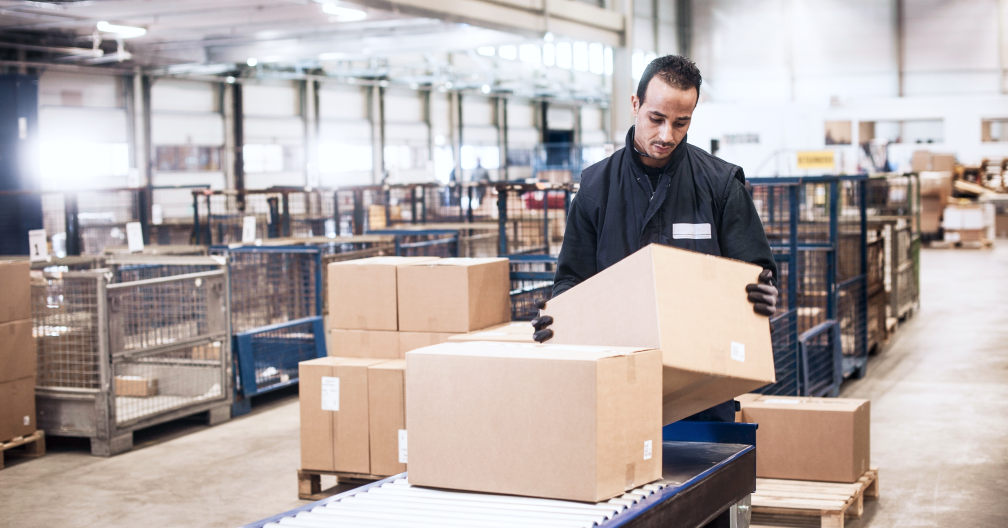
When you check your package tracking and see ‘arrived at carrier facility,’ you might wonder what that actually means for your delivery timeline. Understanding how carrier facilities function is critical to managing customer expectations and optimizing shipping performance. These facilities form the backbone of modern logistics networks, processing millions of packages daily and determining whether shipments arrive on time or get stuck in transit.
In this blog, we will explore what carrier facilities are, how they operate within the shipping lifecycle, the difference between arrival and departure statuses, common operational challenges that cause delays, and practical strategies businesses can use to reduce carrier-related bottlenecks and improve delivery performance.
1. Carrier Facility Meaning
A carrier facility is a physical location operated by shipping carriers where packages are received, sorted, scanned, and dispatched to their next destination. These facilities serve as intermediate processing points in the shipping network, handling packages between the origin point and final delivery address.
Major carriers like FedEx, UPS, DHL, and USPS operate hundreds of carrier facilities across their networks. Each facility is equipped with automated sorting systems, barcode scanners, conveyor belts, and staging areas designed to process high volumes of shipments efficiently. When a package arrives at a carrier facility, it gets scanned into the system, sorted based on its destination ZIP code, and loaded onto the appropriate truck or plane for the next leg of its journey.
The term ‘carrier facility’ encompasses several types of locations, including regional hubs that handle long-distance transfers, local sorting centers that prepare packages for last-mile delivery, and airport facilities that process air freight. The specific type of facility determines how long a package stays there and what happens during processing.
2. The Role of Carrier Facilities in the Shipping Lifecycle
Carrier facilities play three essential roles in moving packages from seller to buyer: consolidation, sorting, and distribution. Each function keeps the logistics network running smoothly and cost-effectively.
a. Consolidation Point
Carrier facilities collect packages from multiple pickup points within a geographic area. Instead of sending individual trucks directly from every shipper to every destination, carriers consolidate shipments at regional facilities. This reduces transportation costs and improves efficiency by maximizing vehicle capacity. For example, a single truck might pick up packages from 50 different retailers and bring them all to one carrier facility for processing.
b. Sorting and Routing Hub
Once packages arrive, the facility’s primary job is to sort them by destination. Automated systems read barcode labels and route each package to the correct loading dock or container. Packages heading to similar geographic areas get grouped together for efficient transport. This sorting process happens multiple times as a package moves through the network, with each carrier facility refining the destination grouping until the package reaches the local facility responsible for final delivery.
c. Network Optimization
Carrier facilities enable shipping networks to balance speed and cost. Express shipments might bypass certain facilities or get priority processing, while ground shipments follow a more circuitous route through multiple hubs to reduce costs. The facility network also provides flexibility when disruptions occur, allowing carriers to reroute packages through alternate facilities if weather, mechanical issues, or capacity constraints affect normal operations.
3. How Carrier Facilities Work
The operations inside a carrier facility follow a structured process designed to move packages quickly while maintaining tracking accuracy. While specific procedures vary by carrier and facility size, the core workflow remains consistent.

a. Inbound Receiving
Trucks arrive at the carrier facility and unload packages at designated receiving docks. Each package gets scanned upon arrival, triggering a tracking update that customers see as ‘arrived at carrier facility’ or ‘arrived at regional carrier facility.’ This scan confirms the package has entered the facility and updates its location in the carrier’s system. High-volume facilities process thousands of packages per hour during peak periods, requiring precise coordination between dock workers and sorting equipment.
b. Automated Sorting
After receiving, packages move onto conveyor systems that transport them through the facility. Barcode scanners along the conveyors read each package’s shipping label and determine its destination. The sorting system then directs packages to specific chutes, bins, or staging areas based on their next destination. Modern facilities use advanced technology, including AI-powered vision systems [1] to handle packages of different sizes and shapes, though irregularly shaped items may require manual sorting.
c. Quality Control and Exception Handling
Not every package flows smoothly through automated systems. Damaged labels, missing barcodes, unusual dimensions, or weight discrepancies trigger exception handling protocols. Facility workers manually inspect these packages, verify addresses, apply new labels if needed, or set them aside for additional processing. This step prevents misrouted shipments but can add processing time for affected packages.
d. Outbound Loading
Once sorted, packages move to outbound staging areas where they’re organized by departure time and destination. Loaders arrange packages in trucks or shipping containers according to planned routes, with stops sequenced to optimize delivery efficiency. The final scan before departure updates tracking status to ‘departed carrier facility’ or ‘in transit to next facility.’ Packages continuing to another carrier facility start the process over, while those heading to local delivery stations enter the last-mile network.
4. Difference Between Arrived vs Departed at Carrier Facility
The tracking statuses ‘arrived at carrier facility’ and ‘departed carrier facility’ mark different stages of your package’s journey through the shipping network. Understanding the distinction helps you gauge how close your shipment is to delivery.
| Aspect | Arrived at Carrier Facility | Departed Carrier Facility |
| Status Meaning | Package has entered the facility and been scanned in | Package has been sorted, loaded, and left the facility |
| Physical Location | On a vehicle en route to the next destination | On a vehicle en route to next destination |
| Next Steps | Will be sorted, processed, and loaded for departure | Traveling to another facility or local delivery station |
a. Arrived at Carrier Facility
This status means your package has physically entered a carrier facility and been scanned into the system. The package is now sitting somewhere in the facility, awaiting sorting and processing. The arrival scan serves several purposes: it confirms the carrier has custody of your package, updates the tracking record with the facility’s location, and triggers the next stage of logistics planning.
The arrival status does not mean your package is about to be delivered. Depending on the facility type and your package’s destination, it might spend hours or even days there. Packages arriving late in the evening might not get processed until the next business day. Those requiring long-distance transport might wait for the next scheduled departure to their destination region.
b. Departed Carrier Facility
This status indicates your package has been sorted, loaded onto a vehicle, and has physically left the facility. The departure scan happens as packages are loaded or when the vehicle leaves the facility premises. At this point, your package is actively moving toward its next destination, whether that’s another carrier facility, a local delivery station, or directly to the customer’s address.
The time between ‘arrived’ and ‘departed’ statuses reflects how long your package spent at the facility. Normal processing times range from a few hours to 48 hours. Longer gaps may signal processing delays, capacity issues, or that your package missed a scheduled departure and is waiting for the next available transport.
For logistics professionals tracking multiple shipments, monitoring this arrival-to-departure window helps identify bottlenecks in the shipping network and estimate when packages will reach customers.
5. Common Operational Issues at Carrier Facilities
Even well-run carrier facilities encounter operational challenges that affect processing speed and shipping performance. Recognizing these issues helps e-commerce businesses anticipate potential delays and communicate proactively with customers.
a. Volume Surges
Peak shopping periods like Black Friday, Chinese New Year, Cyber Monday, and the December holiday season [2] overwhelm carrier facilities with package volumes that can exceed normal capacity. Facilities designed to process 100,000 packages per day might suddenly receive 200,000 packages. This surge strains sorting equipment and staff, increases processing time, and can lead to packages sitting longer than usual before departure. Carriers hire seasonal workers and extend operating hours, but these measures don’t always keep pace with volume spikes.
b. Equipment Malfunctions
Automated sorting systems rely on conveyor belts, scanners, diverters, and other mechanical components that occasionally break down. When key equipment fails, facilities must either route packages through backup systems (if available) or resort to manual sorting, which is significantly slower. A single malfunctioning sortation line can create a backlog that takes hours or days to clear, affecting thousands of packages.
c. Staffing Shortages
Carrier facilities require workers for roles that automation can’t fully replace, including loading, unloading, exception handling, and equipment maintenance. Labor shortages force facilities to operate below optimal efficiency, particularly during overnight shifts when many sorting operations occur. Inexperienced seasonal workers during peak periods may also process packages more slowly or make errors that require correction.
d. Weather and External Disruptions
Severe weather doesn’t just delay trucks and planes. It also affects carrier facilities directly. Snow and ice can prevent workers from reaching the facility, while power outages shut down automated systems. Flooding can damage infrastructure and inventory. Even nearby events like traffic accidents or road closures can disrupt inbound and outbound operations by preventing trucks from accessing loading docks on schedule.
6. Why Shipments Get Delayed or Stuck at a Carrier Facility
Understanding why packages get delayed at carrier facilities helps logistics professionals troubleshoot issues and set appropriate customer expectations. While most packages move through smoothly, several factors can cause extended stays.
a. Incorrect or Damaged Labels
Packages with smudged, torn, or poorly printed shipping labels cannot be automatically sorted. The barcode must be readable for scanning systems to route the package correctly. When labels are damaged or the barcode won’t scan, packages get diverted to exception handling areas where workers must manually verify the correct destination, print new labels, and reintroduce the package to the sorting system. This process adds significant time compared to automated handling.
b. Address Issues
Incomplete, incorrect, or undeliverable addresses cause packages to get stuck in processing loops. The carrier facility may attempt to verify the address through its database, contact the sender or recipient for clarification, or ultimately return the package if no valid address can be confirmed. Urban addresses with missing apartment numbers or rural addresses without sufficient location details commonly trigger these delays.
c. Customs Clearance for International Shipments
International packages passing through carrier facilities near ports or airports must clear customs before continuing to their destination. Customs processing happens outside the carrier’s control and can take hours or weeks, depending on the shipment’s contents, declared value, and country-specific regulations. Packages requiring additional documentation or inspection will show extended stays at the international carrier facility even though the carrier itself has completed its processing.
d. Missed Connections
Just like airline passengers can miss connecting flights, packages can miss scheduled departures from carrier facilities. If a package arrives late in the processing cycle or sorting takes longer than expected, it might miss the truck or plane headed to its next destination. The package then waits at the facility for the next scheduled departure, which might not occur until the following day. This creates tracking patterns where a package shows ‘arrived at carrier facility’ for 24 to 48 hours before departing.
e. Security Holds
Packages that trigger security concerns get held for inspection. This might include items flagged by X-ray scanning, shipments from certain origins, or packages with unusual characteristics. Security screening adds processing time and occasionally results in packages being held for law enforcement review or rejected from the shipping network entirely.
7. Carrier Facility vs Distribution Center vs Fulfillment Center
The logistics industry uses several terms for facilities that handle packages, but carrier facilities, distribution centers, and fulfillment centers serve distinctly different purposes. Knowing the difference helps clarify where your products are in the supply chain.
| Category | Carrier Facility | Distribution Center | Fulfillment Center |
| Ownership | Shipping carriers (FedEx, UPS, USPS, DHL) | Retailers, manufacturers, or 3PLs | E-commerce merchants or 3PL fulfillment providers |
| Primary Purpose | Sort and move packages through the transportation network | Store and redistribute inventory in bulk | Process and ship individual e-commerce customer orders |
| Activities | Receive → sort → dispatch packages by destination | Receive bulk shipments → store → break down → send to stores/FCs/customers | Store inventory → pick → pack → label → hand off to carriers |
| Role in Supply Chain | Transportation & routing | Inventory management & bulk distribution | E-commerce order processing |
| Relevance to E-commerce Operations | Only monitored, not controlled | May supply fulfillment operations | Core of e-commerce logistics |
a. Carrier Facility
Operated by shipping carriers (FedEx, UPS, USPS, DHL), a carrier facility’s sole purpose is to move packages from one location to another. These facilities don’t store inventory long-term. Packages arrive, get sorted, and depart, typically within hours. Carrier facilities are part of the transportation network, not the storage or sales infrastructure. They handle packages from thousands of different shippers simultaneously, sorting them by destination rather than by product type or customer order.
b. Distribution Center
Distribution centers are operated by retailers, manufacturers, or third-party logistics providers to store and distribute inventory to multiple locations. These facilities hold products for days, weeks, or months before shipping them to retail stores, fulfillment centers, or directly to customers. Distribution centers focus on inventory management and bulk shipment preparation. When a retailer receives a large shipment from a manufacturer or brand, it typically goes to a distribution center first, where it’s broken down and allocated to individual store locations or online order fulfillment operations.
c. Fulfillment Center
Fulfillment centers specialize in processing individual customer orders for e-commerce businesses. These facilities store merchant inventory, pick items when orders are placed, pack them for shipment, and hand them off to carriers for delivery. Fulfillment centers are where e-commerce order processing happens. They integrate directly with order management systems to receive orders, update inventory, and generate shipping labels. After a fulfillment center prepares an order and a carrier picks it up, that package will then pass through one or more carrier facilities on its way to the end customer. For e-commerce operations professionals, the distinction matters because you control what happens in your fulfillment center but can only monitor what happens at carrier facilities. Effective Order Management systems help you track packages across all these facility types, giving you end-to-end visibility from when an order is placed to when it reaches the customer.
8. The Importance of Visibility Across Carrier Facilities
Real-time tracking across carrier facilities has become a competitive requirement for e-commerce businesses. Customers expect to know where their packages are at every stage, and operations teams need that data to manage exceptions and maintain service levels.
a. Customer Experience and Expectations
Modern shoppers track their packages obsessively. Studies show that most online buyers check tracking information multiple times before delivery [3]. When a package sits at a carrier facility without updates for an extended period, customers contact support, post negative reviews, or request refunds. Proactive communication about where packages are and when they’ll move forward reduces negative outcomes and builds trust. Businesses that can explain ‘your package is at our regional carrier facility in Chicago and will depart tomorrow for local delivery’ provide better experiences than those offering vague ‘in transit’ updates.
b. Exception Management
Visibility into carrier facility processing helps logistics teams spot problems early. If packages consistently show extended stays at a particular facility, that signals a systemic issue requiring investigation. Maybe that carrier is experiencing capacity problems, or perhaps your shipping labels aren’t printing clearly enough for their scanners. Early detection allows you to reroute future shipments, switch carriers, or fix labeling issues before they affect thousands of packages. Without detailed tracking across carrier facilities, these patterns remain invisible until customer complaints spike.
c. Accurate Delivery Estimates
Knowing which carrier facility has your package and understanding typical processing times for that location improves delivery date accuracy. How to Estimate Shipping Costs becomes more precise when you factor in actual carrier facility performance data rather than relying solely on the carrier’s published service levels. If you know your Washington hub typically adds 12 hours to processing time during peak season, you can adjust customer delivery estimates accordingly and avoid disappointment.
d. Multi-Carrier Operations
Businesses shipping through multiple carriers need unified visibility across different carrier facility networks. Each carrier uses different tracking formats, facility naming conventions, and status messages. Aggregating this data into a single view requires specialized tools. Parcel Tracking solutions normalize tracking data from multiple carriers, letting you monitor all shipments regardless of which carrier facility is currently handling them. This unified visibility is essential for operations teams managing thousands of daily shipments across FedEx, UPS, USPS, and regional carriers simultaneously.
9. What Businesses Can Do to Reduce Carrier Delays
While carrier facility operations are outside your direct control, as an e-commerce business, you can take several steps to minimize delays and improve package flow through these facilities.
a. Optimize Shipping Labels
Clear, properly formatted shipping labels reduce the chance of scanning errors at carrier facilities. Use high-quality label printers with adequate resolution. Ensure barcodes are large enough and have sufficient contrast against their background. Place labels on flat surfaces of the package where scanners can easily read them. Avoid placing labels over seams or on curved surfaces. Include complete, validated addresses with ZIP+4 codes when available. These simple steps help packages move through automated sorting systems without triggering manual exception handling.
b. Choose Strategic Shipping Times
Understanding carrier pickup schedules and facility processing windows helps you time shipments for faster processing. Packages picked up early in the day often make it through the first carrier facility and onto outbound transport the same day. Late pickups might sit until the next business day before processing begins. Similarly, avoiding shipping large order volumes on Fridays when they’ll arrive at carrier facilities over the weekend (when many facilities operate at reduced capacity) can prevent multi-day delays.
c. Diversify Carrier Mix
Relying on a single carrier creates vulnerability to that carrier’s facility network problems. Distributing shipments across multiple carriers spreads risk and provides alternatives when one carrier experiences delays. Monitor performance across carriers and shift volume toward those with better facility processing time for your key shipping lanes. Regional carriers sometimes offer faster local delivery because their packages bypass major national carrier facilities entirely.
d. Implement Proactive Tracking and Alerts
Don’t wait for customers to notice delayed packages. Set up automated monitoring that flags shipments showing extended carrier facility stays. Configure alerts when packages don’t depart facilities within expected timeframes. This early warning system lets you contact customers proactively, manage expectations, and potentially reroute urgent shipments before delivery failures occur. Automated tracking also helps you identify which carrier facilities consistently cause problems, informing future shipping decisions.
e. Work Directly With Carrier Representatives
High-volume shippers can often access carrier representatives who can investigate specific facility issues, provide advance notice of capacity constraints, and offer guidance on optimizing shipments for their network. Building these relationships gives you insight into facility operations and sometimes allows for special handling arrangements during peak periods. Carriers want to keep major shipping customers satisfied and may offer solutions or workarounds not available to smaller shippers.
10. Conclusion
Carrier facilities are the invisible infrastructure that makes e-commerce logistics possible, processing billions of packages annually through complex networks of sorting, routing, and transportation. For operations and logistics professionals, understanding how these facilities work, why delays occur, and what ‘arrived at carrier facility’ really means is essential to managing customer expectations and optimizing shipping performance.
The best e-commerce operations don’t just react to tracking updates but actively monitor package flow through carrier facilities, identify patterns in processing time, and adjust shipping strategies based on real facility performance data. Combined with robust order management and parcel tracking systems, this visibility transforms shipping from a black box into a manageable, optimizable part of your customer experience.
Ready to gain complete visibility across your shipping operations?
Discover how Anchanto Order Management helps e-commerce businesses deliver the tracking transparency customers demand.
FAQs
1. What is a carrier facility in shipping?
A carrier facility in shipping is a physical location operated by carriers like FedEx, UPS, or USPS where packages are received, sorted, and dispatched to their next destination. These facilities serve as intermediate processing points in the shipping network, handling the sorting and routing of packages based on destination addresses.
2. What role does a carrier facilityplay in e-commerce logistics?
In e-commerce logistics, carrier facilities act as critical sorting and distribution nodes between fulfillment centers and customers. After an e-commerce order is packed and picked up, it passes through one or more carrier facilities where it’s sorted alongside thousands of other packages and routed efficiently toward its delivery address. This network of facilities enables carriers to consolidate shipments, optimize routes, and manage the massive daily volume of e-commerce packages.
3. Is a carrier facility part of last-mile delivery?
Carrier facilities include both regional hubs and local facilities that feed into last-mile delivery. While large regional carrier facilities handle long-distance sorting and routing, smaller local carrier facilities specifically support last-mile operations by receiving packages destined for nearby delivery addresses and loading them onto local delivery trucks. The final carrier facility a package passes through is typically the local facility in your delivery area.
4. Does every shipment pass through a carrier facility?
Nearly all shipments pass through at least one carrier facility, and most pass through multiple facilities. The only exceptions are local deliveries where the carrier picks up and delivers within the same immediate service area without requiring sorting or long-distance transport.
5. What Does it Mean by ‘Your Package Has Arrived at a Carrier Facility’?
When tracking shows ‘your package has arrived at a carrier facility,’ it means your package has physically reached a carrier sorting hub and been scanned into their system at that location. This status confirms the carrier has custody of your package at that facility, but it does not mean delivery is imminent. The package still needs to be sorted, possibly transferred to other facilities, and eventually loaded onto a local delivery truck before reaching you.
6. How Long Does a Package Usually Stay at a Carrier Facility?
Under normal conditions, packages typically spend a few hours or up to a few days at a carrier facility. The exact duration depends on when the package arrived relative to facility processing schedules, how many additional facilities it must pass through, and current facility capacity. Packages arriving late in the evening might not get processed until the next business day. During peak shipping periods or when operational issues occur, packages can remain at carrier facilities for several days before continuing their journey.
References
[1] Dhl.com – Logistics Use Cases: Shipment Focus
[2] Maersk.com – 5 peak logistics periods to prepare for in 2026