
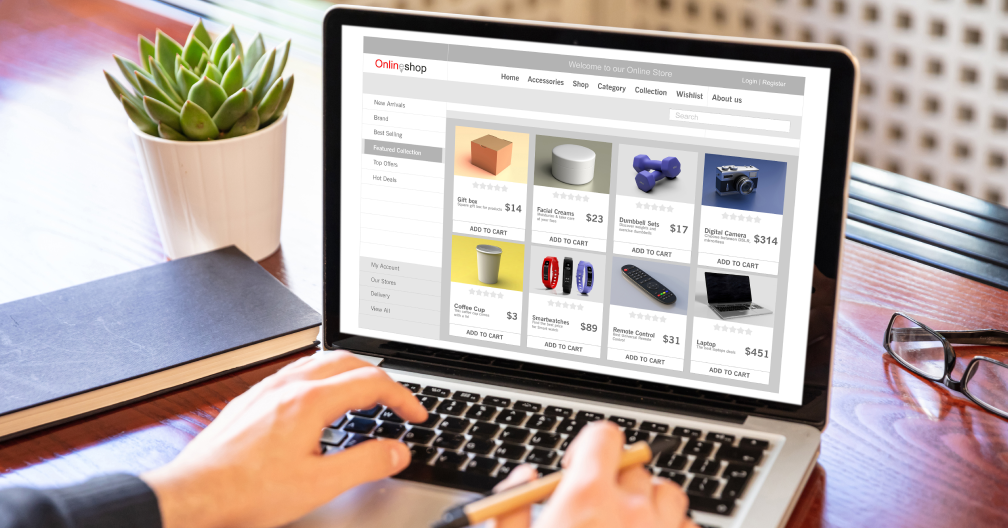
Today’s brands are no longer operating from a single storefront. Instead, they juggle high-volume data across multiple platforms to reach the 73% [1] of retail consumers who are now omnichannel shoppers.
In 2026, how well your systems communicate can reveal how well your e-commerce business is performing. To remain competitive, synchronizing operations in real-time is top priority, especially to avoid fragmented data and lost revenue.
This guide will break down the basics of e-commerce integrations, and how you can connect these moving parts to ensure your business operates efficiently.
1. What Are E-commerce Integrations?
E-commerce integration is the process of connecting your online storefront (like Shopify or Magento) with other software (like your accounting, inventory, or shipping software) through a unified system. Instead of manually copying data from one app to another, integrations allow these systems to “talk” to each other automatically. This creates a streamlined workflow where a sale on one channel triggers immediate updates across your entire operation.
2. Why E-commerce Integrations Are Critical for Scaling
Scaling an e-commerce business means increasing the volume of data you must process every day. By implementing robust enterprise integrations as your order volume grows, your back-end systems can stay synchronized without error-prone manual efforts. They are most critical for:
- Operational efficiency: If it takes five minutes to process one order manually, 1,000 orders will require over 80 hours of labor. Integrations can reduce this time to seconds.
- Data integrity: Instant and flawless fulfillment is the standard for today’s consumers. In e-commerce, a simple typo in a shipping address or SKU number can mean returned packages and dissatisfied customers.
- Real-time decision making: When your sales and inventory data are integrated, you have an accurate view of your business performance. You can see which products are high-performing and which are overstocked for faster procurement decisions.
3. Core Systems That Require E-commerce Integration
To scale effectively, your online store must sync with your backend operations to ensure data flows accurately across every department. Integrating these core systems will help you maintain data consistency:
a. Enterprise Resource Planning (ERP)
Acting as the brain, the ERP handles financial data, procurement, and high-level reporting. An e-commerce ERP integration ensures that every sale is automatically recorded in your general ledger.
b. Warehouse Management System (WMS)
Integration helps align your digital orders and physical stock, preventing overselling. It allows for real-time picking updates, bin location tracking, and automated stock counts that reflect on your website instantly.
c. Customer Relationship Management (CRM)
Beyond just a name and email, an e-commerce CRM integration helps you track every customer touchpoint (e.g., support tickets, past purchases, and browsing behavior) to power personalized marketing.
d. Shipping and Logistics Software
Seamlessly pushing order data to carriers like FedEx or DHL (or a 3PL partner) eliminates manual label printing and ensures customers get tracking numbers the second a box is scanned.
e. Product Information Management (PIM)
Centralizes product descriptions, images, and technical specifications in one place. When you update a product name in the PIM, it pushes those changes to Amazon, Shopify, and eBay simultaneously.
f. Point of Sale (POS)
For brands with physical retail locations, a POS integration merges your offline and online worlds. It syncs inventory and sales data in real-time, allowing you to manage total stock levels and support services like in-store pickups.

4. Types of E-commerce Integrations
These are the common e-commerce integrations your business may leverage:
a. Built-In Integrations
These are pre-built connectors already available within your e-commerce platform’s app store. The primary benefits of these ready integrations are the speed of deployment and the fact that no custom coding is needed to get a store operational in minutes. While they offer the least amount of customization, it’s the most affordable way to sync your store with common tools like Google or Facebook.
b. Custom API Integrations
This highly flexible method is where developers use the Application Programming Interface (API) of two systems to build a custom bridge between platforms. This gives you total control over how your data moves, but requires ongoing maintenance and coding expertise. It’s best suited for businesses with extremely complex or specific needs.
c. Middleware Solutions
Middleware integrations sit between your apps to help them communicate. They translate data from one system to another, allowing you to manage multiple connections in one dashboard without manual coding. While it doesn’t offer the endless flexibility of custom APIs, it’s quicker to deploy and more cost-effective.
5. Challenges in E-commerce Integrations
As your business grows, the technical complexity of maintaining these e-commerce integration services does too, leading to several common hurdles.
a. Data Silos
When systems use different naming conventions, such as one using SKU-098 while another uses Item-CSC, that data becomes trapped. Without a clear mapping layer to translate this information, integrations fail. This results in ghost inventory, where stock exists in your warehouse but is not visible for sale on your website.
b. Scalability and Performance Limits
An integration built for low volume may fail during high-traffic events like Black Friday. Large amounts of data moving between systems can create bottlenecks that slow down your website or cause the connection to crash entirely. Ensuring your technical setup can handle sudden growth is a constant challenge.
c. Real-Time Data Synchronization
Keeping information accurate across all platforms at once isn’t easy. If your storefront and warehouse are not perfectly synced, you risk overselling items that are already out of stock. Delays in data updates can also leave support teams with outdated order information, which frustrates customers.
d. Legacy System Compatibility
Older software often uses outdated formats that do not easily connect with modern cloud platforms. Forcing these systems to work together often requires custom patches that are expensive to maintain. Over time, these complex workarounds create technical debt, making it harder to upgrade your software without breaking the integration.
e. Security and Compliance Risks
Moving sensitive customer and payment data between multiple systems increases the risk of security breaches. Every integration point must be encrypted and managed to comply with global privacy regulations. Maintaining these security standards across several connected platforms is a major technical and legal responsibility.
6. Benefits of E-commerce Integration
The main goal of integration is to move from manual intervention to automated management. When your systems are synced, you can focus on growing your business instead of manually fixing data errors and managing repetitive tasks.
a. Elimination of Manual Entry
By automating the flow of orders, customer details, and shipping info, you remove the copy-paste stage. This reduces human error to nearly zero and allows your staff to focus on high-value tasks instead of data cleanup.
b. Global Inventory Visibility
Integration gives you a single source of truth. Whether you sell on Amazon, TikTok Shop, or in a physical boutique, your inventory levels are updated across all channels the moment a sale is made. This prevents the dreaded overselling scenario and improves customer trust.
c. Faster Order-to-Ship Cycles
In the age of next-day delivery, every minute counts. Integrated systems push orders to the warehouse pick list the second a payment is authorized, which cuts hours, or even days, off the fulfillment cycle.
d. Improved Cash Flow
Automated integrations send sales data directly into your accounting or ERP system. This means real-time financial reporting and faster invoicing for B2B clients, giving you a clear view of your profit margins without waiting for manual reconciliations at the end of the month.
e. Personalized Customer Experience
When your CRM is integrated with your storefront, you can provide a more tailored experience. For example, you can trigger personalized emails based on past orders so customers receive relevant offers exactly when they are most likely to buy again.
7. Common E-commerce Integration Use Cases
How can modern brands utilize these connections to streamline their daily operations? Here are some examples of integrated systems at work:
Case 1: Omnichannel Fulfillment
When a brand sells a jacket on TikTok Shop, the integration automatically pulls that order into the WMS. It sends a “deduct inventory” command to the brand’s Shopify store and Amazon account, and generates a DHL shipping label. Once shipped, the tracking number is pushed back to TikTok to keep the customer updated.
Case 2: Returns and Reverse Logistics
If a customer initiates a return on your website, the integration checks the return policy in the ERP, generates a prepaid shipping label for the customer, and notifies the warehouse that an inbound return is coming. When the warehouse scans the item back in, the integration automatically triggers the refund via the payment gateway.
Case 3: Dropshipping Automation
For products fulfilled by third parties, an e-commerce shipping integration monitors new orders. When a dropship item is purchased, the system automatically generates a Purchase Order (PO) and sends it to the vendor’s system. Once the vendor ships it, the tracking info is pulled back into the merchant’s store to close the loop.
8. Best Practices for Building Scalable E-commerce Integrations
To ensure your tech stack survives the demands of 2026 and beyond, follow these best practices for building future-proof integrations:
- Prioritize real-time syncing: Legacy systems usually batch data every few hours. In a modern environment, this leads to overselling and outdated tracking info. Aim for event-driven or real-time syncing to ensure your data is always up to date.
- Standardize your data: Before connecting systems, make sure your data is clean. This means SKUs, descriptions, and weights should be identical across every platform.
- Build for resilience: Integrations will occasionally fail due to internet outages or server issues. Your system should have automated alerts that notify your team the moment a sync fails, along with an error log that explains exactly which record failed and why.
- Test before launching: Never push an integration live without testing. Use a sandbox (a duplicate, non-live environment) to simulate high order volumes and edge cases (like international addresses or out-of-stock items) to ensure the data flows correctly.
9. E-commerce Integrations for B2B vs. B2C Operations
While both models require connectivity, their technical requirements differ significantly.
B2B integrations focus on accuracy and complex rules. These businesses prioritize connecting to an ERP or CRM to handle professional workflows. The goal is to sync behind-the-scenes data such as negotiated contract pricing, wholesale bulk availability, purchase order (PO) approvals, and real-time credit limit checks that are specific to each corporate account.
On the other hand, B2C integrations are built for speed and volume. These businesses prioritize connecting their storefront to marketing automation and shipping systems to drive quick sales. The goal here is to automate instant tasks like sending “back in stock” emails, processing credit card payments, and generating shipping labels the moment an order is placed.
10. How to Choose the Right E-commerce Integration Platform
Selecting a platform is a long-term strategic decision. In 2026, you need a solution that balances immediate technical needs with future business goals. Look for these six critical features:
- Enterprise-grade uptime and reliability: You need a platform that guarantees 99.9% uptime with a proven track record during high-concurrency events. If your integration lags or crashes during an event like Black Friday, the lost revenue and damaged brand reputation can be permanent.
- Extensive library of pre-built connectors: Building custom code for every connection is expensive and slow. The right platform should offer a “plug-and-play” integrations for the marketplace, carriers, and systems you already use, such as NetSuite, Shopify, Amazon, and FedEx. This drastically reduces your Time to Market and ensures that the integration is maintained by experts.
- Elastic scalability: Your integration should be invisible as you grow. Whether you are processing 100 orders or 100,000 orders a day, the platform must handle the data load without manual intervention or performance degradation. Look for cloud-native architectures that can scale resources up and down based on real-time demand.
- Advanced data transformation capabilities: Often, your systems won’t use the same data formats. Your chosen platform should have a robust mapping engine that can instantly translate data. For instance, converting international currency or reformatting SKU codes between a supplier’s system and your own.
- Security and regulatory compliance: Ensure the platform is fully compliant with PCI DSS for payments and GDPR or CCPA for customer data. It should offer end-to-end encryption for data in transit and at rest to protect against emerging cybersecurity threats.
11. How Anchanto Enables Seamless E-commerce Integrations
Anchanto serves as the centralized hub that simplifies your entire digital operation. Instead of managing dozens of individual connections, Anchanto Integrations allows you to build one link to our platform to sync your data across every channel.
By leveraging powerful tools like Anchanto Order Management (OMS), you can:
- Manage orders, inventory, and promotions from one interface.
- Ensure your SKU and customer data formats are uniform across all channels.
- Effectively manage API limits and data syncing to ensure real-time order visibility.
- Access over 200 pre-built plugs into global marketplaces, web stores, and carriers.
12. Conclusion
As we move through 2026, the gap between successful and struggling e-commerce brands will be defined by their tech stack. Integrated businesses spend their time on growth, while non-integrated businesses spend their time fixing data errors. By adopting a robust integration strategy and a centralized order management system, you can turn your back-end operations into a scalable competitive advantage.
Ready to streamline your e-commerce operations? Connect with our team of experts today to learn how Anchanto can transform your business with seamless integrations.
FAQs
Why are e-commerce integrations important?
They automate data flow across various key systems, which eliminates manual entry, prevents overselling, and allows you to handle more orders at a faster pace.
What systems need e-commerce integration?
Typically, you need to connect your store to your inventory management (WMS), shipping carriers, accounting software, and any external marketplaces (like Amazon).
Are e-commerce integrations suitable for both B2B and B2C?
Yes. B2C uses them for speed and volume, while B2B uses them to manage complex pricing, wholesale accounts, and logistical workflows.
What is the difference between native and API integrations?
Native integrations are built-in tools that are easy to turn on but limited in features. API integrations are custom-built, offering more flexibility but requiring more technical setup.
References: